What is in this guide
Decluttering does not usually stall on the obvious rubbish. It stalls on the maybe pile, which grows until it becomes a cupboard, which becomes the thing you were decluttering.
The way through is to decide by category rather than by item, because a rule applied to thirty things is far easier than thirty individual decisions.
Here is a category list, then where things actually go in Australia, which is the part that turns a sorted pile into a finished job.
Things that can go without regret
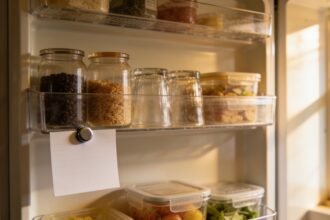
Kitchen. Chipped or cracked crockery. Plastic containers with no lid and lids with no container. Appliances unused for two years, including the ones that were expensive. Duplicate utensils beyond two. Anything past its date in the pantry. Cookbooks you have never cooked from. Chipped non-stick pans, which have reached the end of their useful life anyway.
Bathroom. Expired medication and sunscreen, which genuinely stops working. Half-used products nobody liked. Old toothbrushes. Anything that has been open for years. Hotel toiletries.
Wardrobe. Anything not worn in two years that is not formal wear or genuinely seasonal. Anything that does not fit and would not be worn if it did. Worn-out shoes. Single socks, after one final amnesty in the laundry. Clothes kept for a size you are not currently.
Kids. Broken toys, which are rubbish rather than donations. Incomplete sets and puzzles. Outgrown clothes beyond what is being kept for a younger sibling. Most school work, covered below. Decluttering kids' toys without the tears covers doing this with the children involved.
Paper. Most of it. The family paperwork system covers what to keep and what can go.
Garage and shed. Paint tins with a finger of paint in them. Hardware from a project finished years ago. Broken equipment awaiting a repair that will not happen. Boxes unopened since the last move.
Electronics. Cables for devices you no longer own, which is usually most of the cable drawer. Old phones beyond one backup. Chargers that fit nothing.
Linen. Towels past their life, which make excellent rags or go to an animal shelter. Sheets for beds you no longer have.
Things worth keeping
A short list, because most of the doubt is about a small number of categories.
Anything genuinely irreplaceable. Documents, photographs, letters, a small number of objects with real personal history.
Anything under warranty, with its receipt.
Seasonal items you use every year. Christmas decorations, winter bedding, camping gear.
Spare parts for things you own, including the allen key and the touch-up paint.
Genuinely useful spares: one spare set of sheets per bed, a reasonable number of towels, one spare of the things that fail.
Tools. A tool you use once every three years is still worth keeping, because it is worth having when you need it.
The categories people get wrong
Children’s school work and artwork. Nobody can keep all of it and most people feel bad discarding any of it. The approach that works: keep a small number per year, chosen at the end of each year, and photograph the rest. A photo album of a child’s work is looked at. A box in the roof is not.
Sentimental objects. These are legitimate and the mistake is keeping them somewhere they cannot be seen. If something matters, display or store it properly. If it lives in a box you have not opened in five years, it is being stored rather than kept.
Gifts you do not like. The obligation ended when the gift was given. Keeping something unused out of guilt is not honouring it.
Clothes for a different size. A genuinely common source of stalling. A small number of items is reasonable. A wardrobe of them takes up space and is a daily reminder.
Things that cost a lot. The money is spent regardless. Keeping an unused expensive item does not recover it, and passing it on to someone who will use it recovers more than the cupboard does.
Where it actually goes in Australia
This is the part that makes the job finishable, and it is where most decluttering advice is written for another country.
Charity shops take good condition items only. Clothes that are clean and wearable, working electricals, intact toys, books, homewares. They do not want broken, stained, incomplete or unsafe items, and dumping those at a shop shifts your disposal cost onto a charity, which is a real and well-documented problem in Australia. Check the shop’s current list and never leave bags outside after hours.
Council hard rubbish. Most Australian councils run a hard waste collection, either scheduled or on booking. Check your own council for what is accepted and how to book, since rules differ considerably. How hard rubbish collection actually works covers booking, what is usually refused and why a pile gets left behind.
E-waste. Electronics should not go in general waste. Australia runs recycling schemes for televisions, computers and mobile phones, and many councils and retailers accept e-waste drop-off. Check your council or the national scheme for your nearest point.
Batteries. Household batteries can be dropped at collection points including many major retailers and council facilities. Do not put batteries in kerbside bins, where they are a recognised fire risk in collection vehicles and sorting facilities. Batteries and e-waste covers how to store them safely until the drop-off trip.
Paint and chemicals. Household chemicals, paint, oils and similar go to a chemical collection service. Most states run one, and the name differs by state. Never pour them down a drain or put them in a bin.
Containers. Container deposit schemes operate in every state and territory, with differing names and eligible container types.
Soft plastics and textiles. Arrangements have changed in recent years and vary by location. Check what is currently accepted locally rather than assuming, because soft plastics recycling is the part of household recycling that has changed most.
Selling. Worth it for a small number of higher value items. Not worth the hours for a box of things worth five dollars each, and the box will sit in the hall for six months waiting to be listed. Selling and donating kids gear in Australia covers what is worth the effort.
How to actually finish
One category at a time, not one room. Rooms contain every category and the decisions never get easier. Categories build momentum.
Start with something unemotional. The cable drawer, the plastic containers, the pantry. Never start with photographs or a deceased relative’s belongings.
Set a time limit rather than a target. Ninety minutes and stop. A weekend-long purge ends in exhaustion and a hall full of bags.
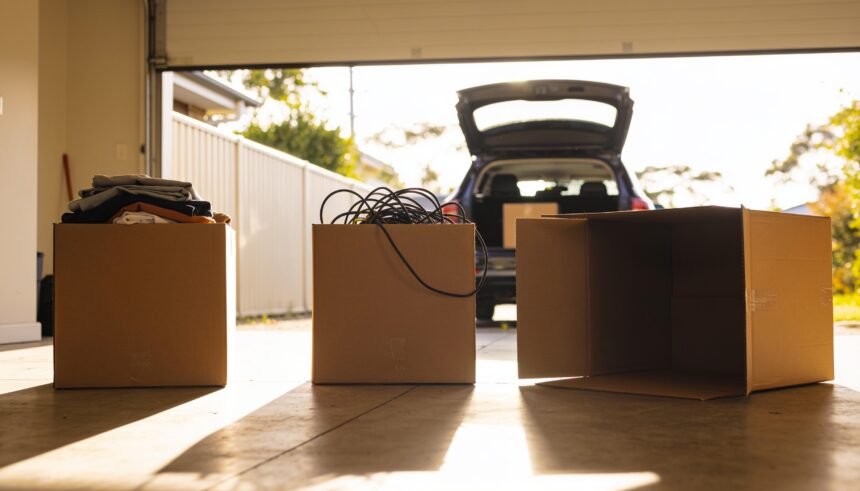
Get it out of the house the same week. A sorted pile that stays in the house gets re-absorbed. Book the collection, drive to the shop, put the batteries in the car. If the sorting keeps collapsing at the kitchen end, a kitchen bin system that handles four streams is the fix worth making once.
Next: decluttering kids' toys without the tears covers doing it with children, a drop zone or mudroom in a small entry covers stopping it accumulating, and the family paperwork system covers the paper.
The one-page family week
One printable page that holds the whole week: meals, school, activities and who is doing the pickup. Free, and we send one useful email a week.
One email a week. No spam, unsubscribe in a click.