
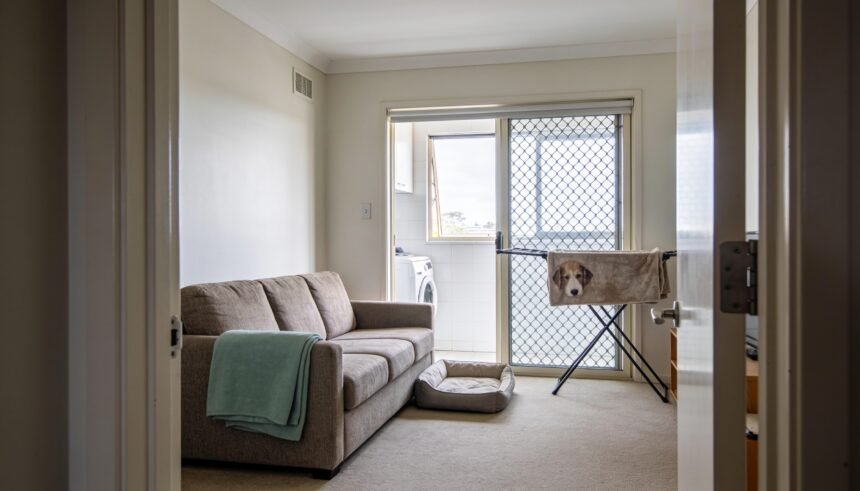
Keeping a house with pets smelling normal for visitors
Start with the places your pets actually use, then work through laundry, floors and fresh air. A practical visitor routine helps you choose what needs attention without cleaning every room.

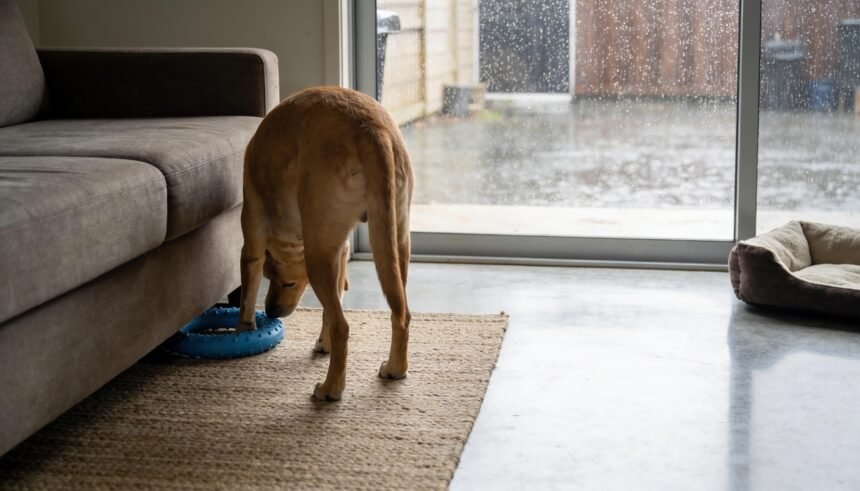
Rainy day activities with a dog stuck inside
A wet day with a dog indoors needs a manageable plan. Choose a toy search, practise a familiar cue and leave room for rest, using what you already have.
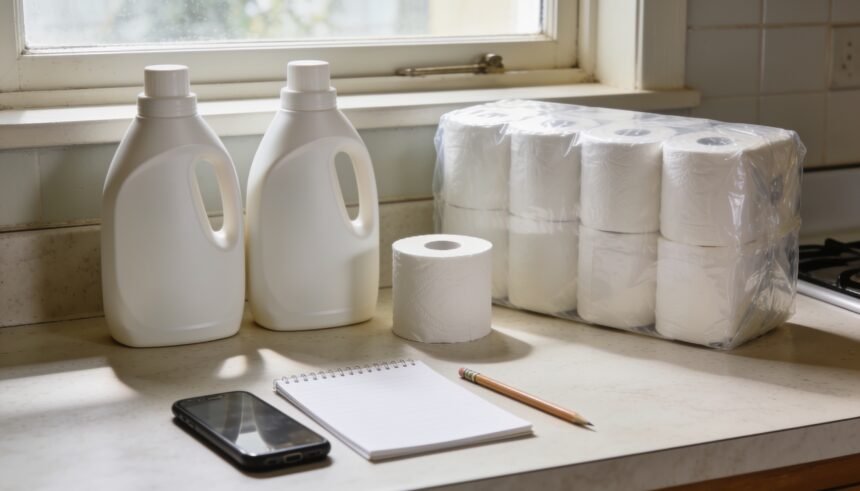
How to compare unit prices before buying household basics
A bigger pack needs a closer look. Use matching measurements, simple calculations and a check of what your household actually uses to compare everyday basics before buying.
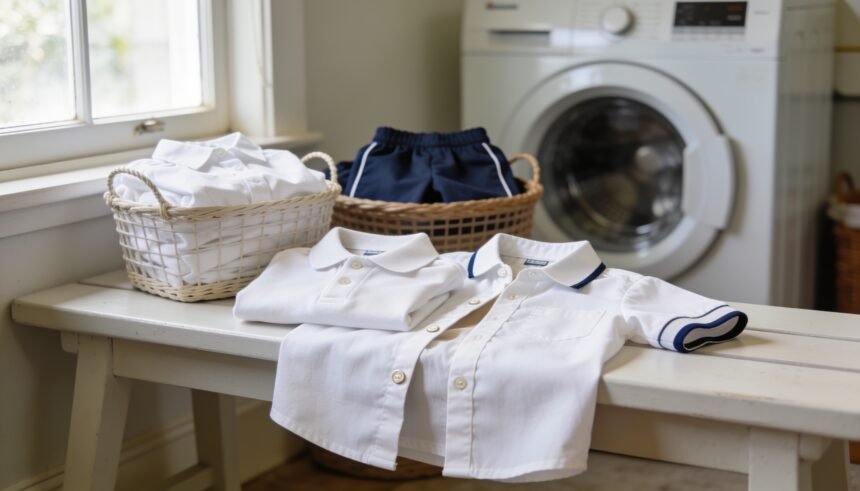
Keeping white school shirts white
White uniform care starts before the wash. Separate suitable shirts, check collars and cuffs, and plan a load around the next school day without treating every fabric the same.
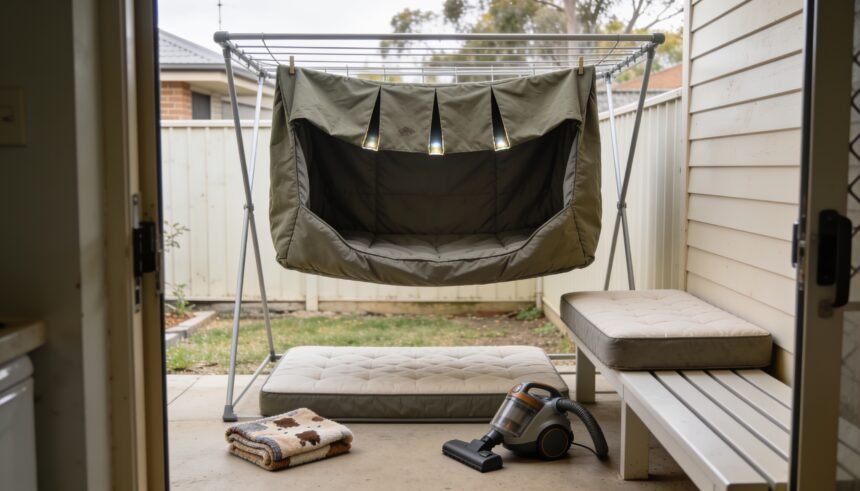
Keeping a dog bed from smelling
A clean cover is only part of a clean dog bed. Work through the filling, underside and drying routine before repeating a wash that misses the source of the smell.
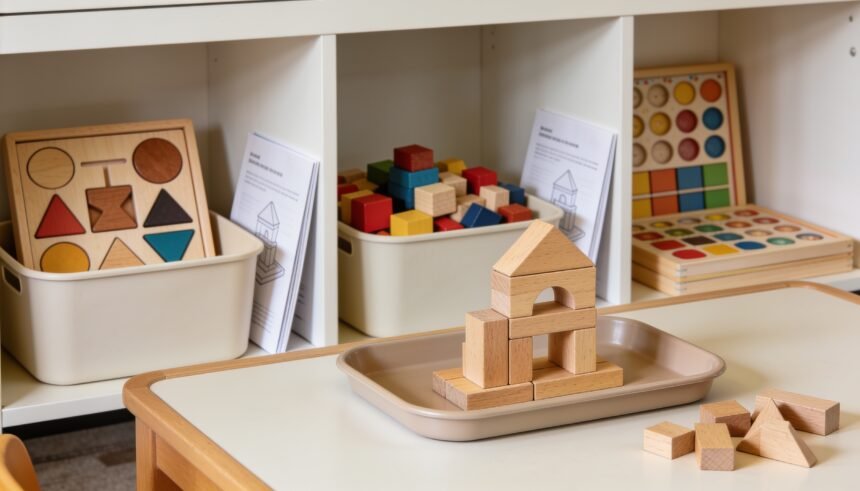
Storing and rotating educational toys
Keep puzzles, building sets and learning games ready for their next outing with a practical storage method that accounts for missing pieces, unfinished projects and limited cupboard space.
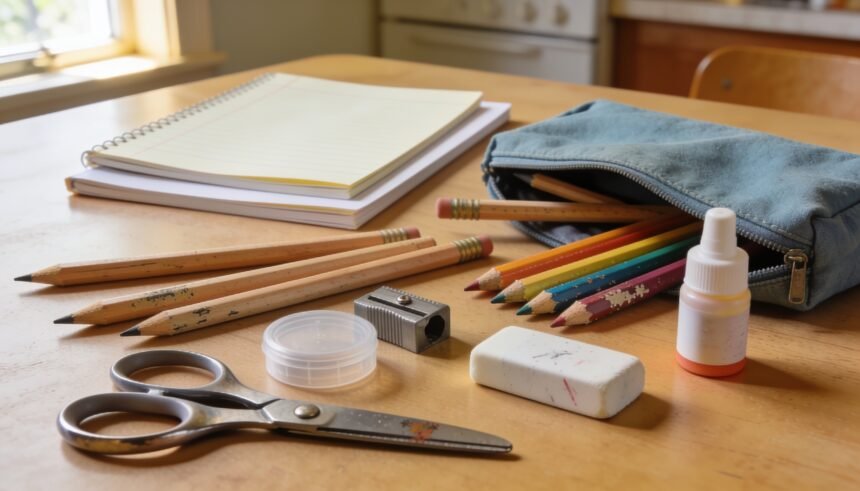
What stationery a primary school child actually uses
Match pencils, books and classroom extras to your child's actual school list. This checklist separates useful supplies from optional additions and explains what to check before you buy.
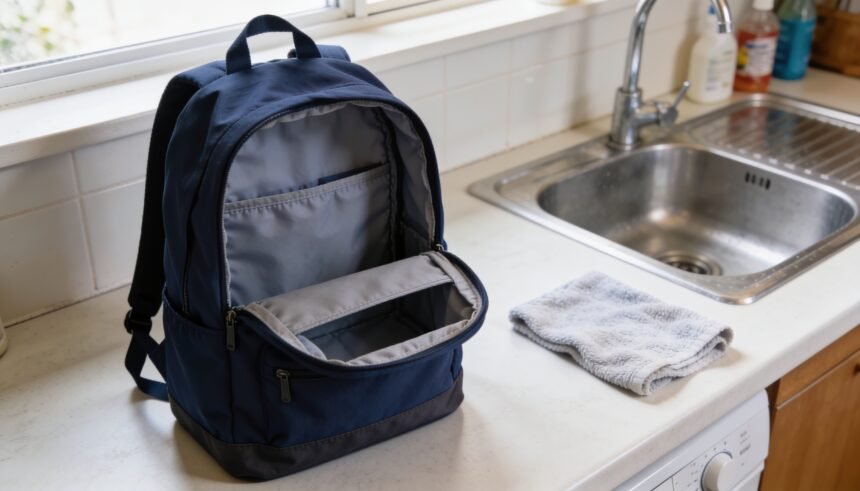
Waterproofing and cleaning a school bag
A school bag needs a cleaning method that suits its construction. Follow these steps for crumbs, spills and drying, then decide whether rain protection needs attention before the next school…
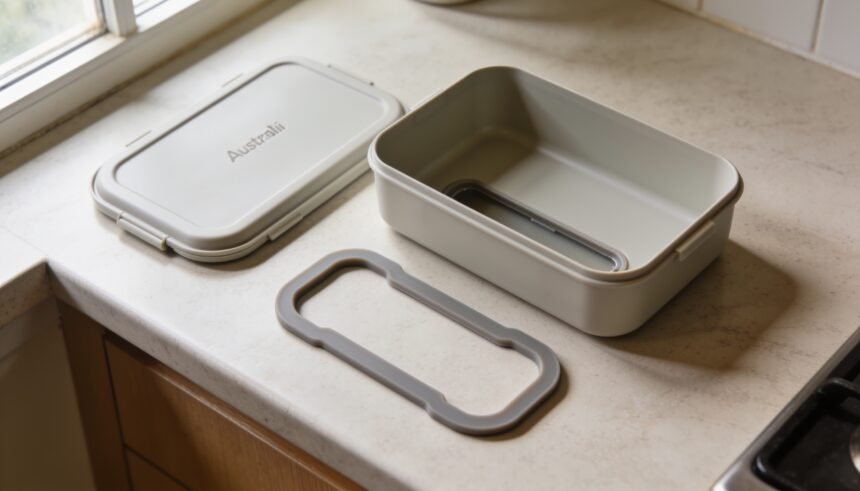
Replacement seals, lids and spare parts
A missing seal need not mean replacing the whole lunchbox. Identify the model, check which part is sold separately and compare the delivered cost before ordering a replacement.
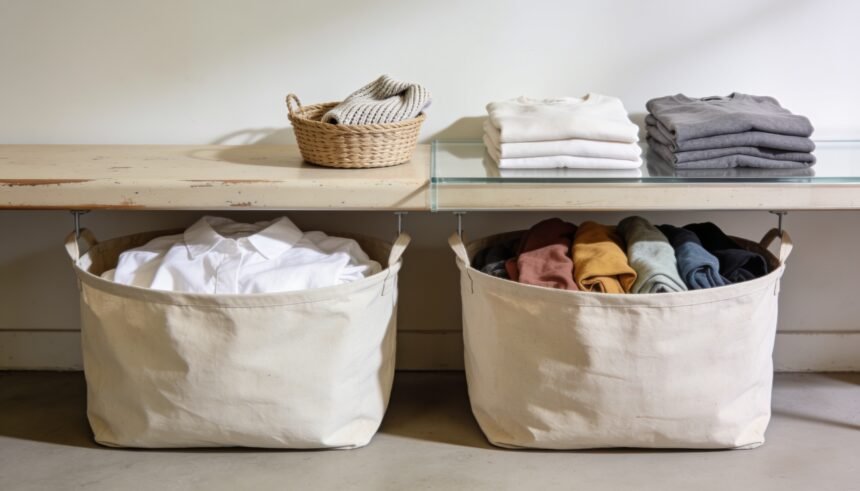
Sorting systems that stop the laundry mountain
Give each stage of the washing a place, from clothes waiting for a label check to clean items ready for drawers. A practical sorting routine for households with limited space.
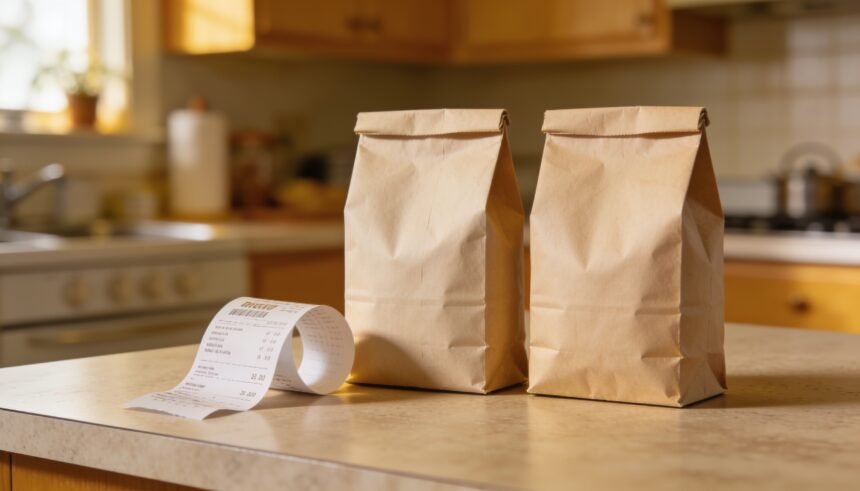
Home brand swaps that nobody notices
Own-brand groceries are invisible in most categories and genuinely worse in a few. Which is which, and how to make the switch without a household revolt.
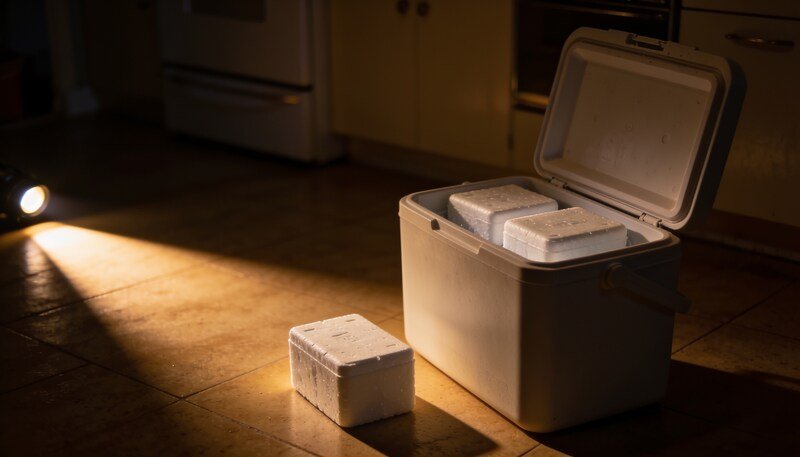
The power is out: what to do about the fridge, hour by hour
A closed fridge holds about four to six hours and a full freezer about two days. The single most expensive mistake is opening them to check.
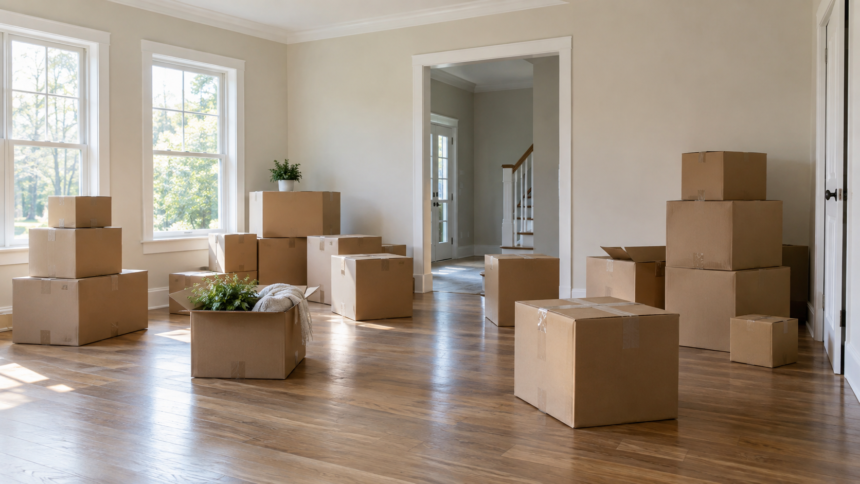
What moving house actually costs, beyond the truck
Every quote you get prices the truck. The costs that actually catch people are the two weeks where you are paying for both places at once.
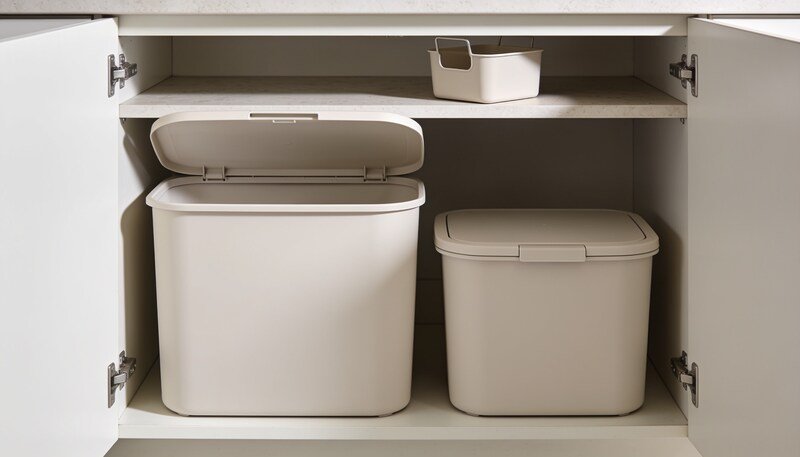
Six waste streams, one kitchen: where they all actually go
General waste, recycling, FOGO, soft plastics, batteries and containers for refund. Six streams, and most kitchens have a cupboard built for one.
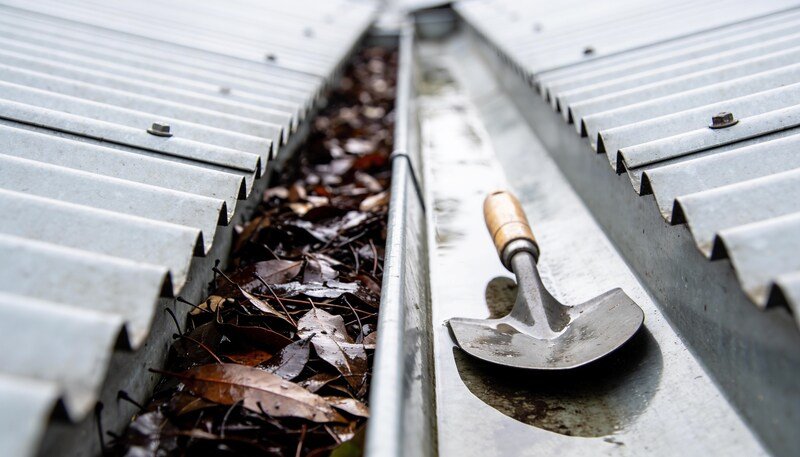
Storm season: the house jobs to do before the first big one
Almost all storm damage to a suburban house comes from three things: water that could not drain, something that was not tied down, and a branch that should have gone.
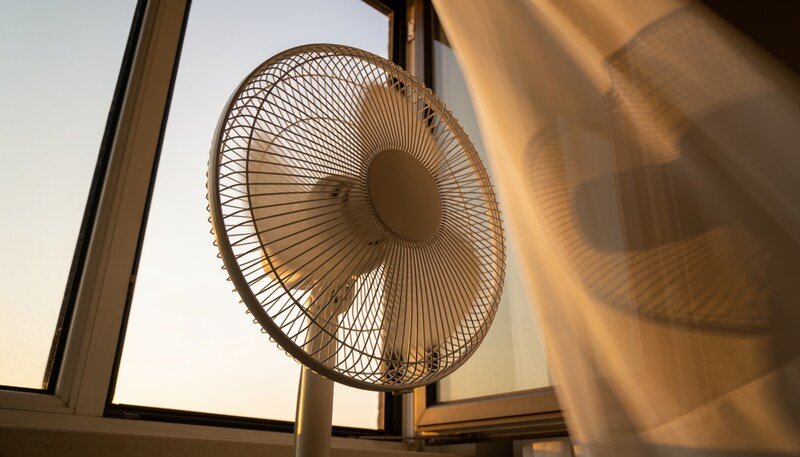
A fan does not cool a room: what to buy and where to point it
Running a fan in an empty room does nothing at all. Once you understand why, the purchase and the placement both become obvious.
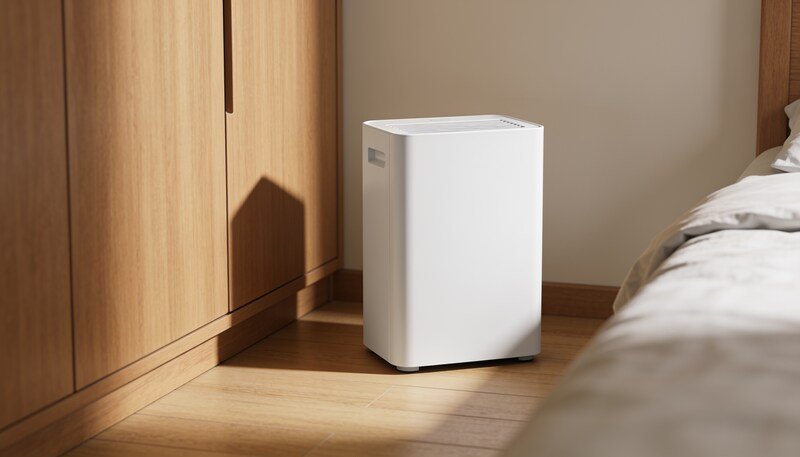
Dehumidifiers: when they help with mould and when they are the wrong buy
A dehumidifier is a moisture control, not a mould treatment. Bought for the right problem it is excellent value, and bought for the wrong one it is an expensive noise.
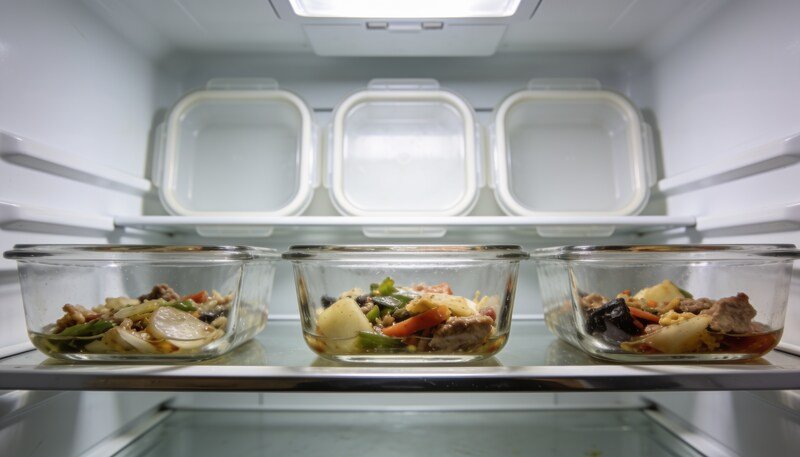
The $1,500 you throw out: where household food waste actually goes
It is not one big waste event. It is leftovers nobody claimed, vegetables bought with good intentions, and a second bag of something already in the fridge.