
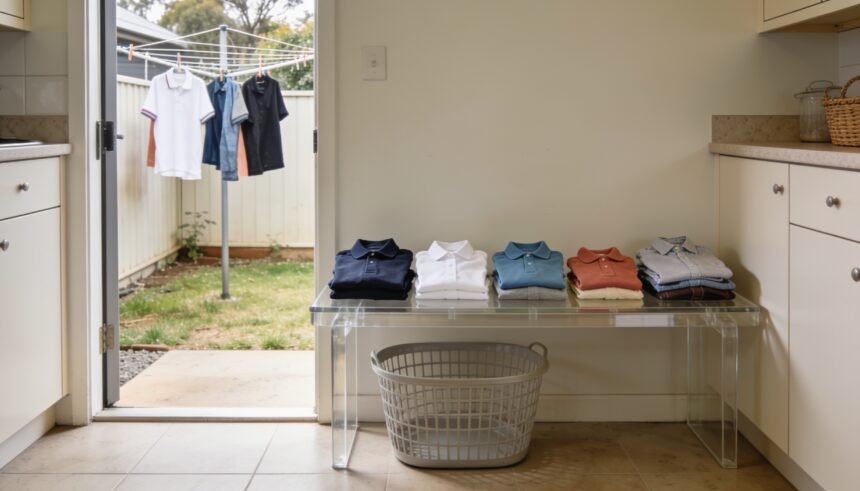
Laundry for a household of five, as a system
Plan washing around the clothes each person needs next, then assign drying and putting away. This household routine includes a sample week, shared responsibilities and a manageable way to catch…


Using leftovers so they get eaten
Most family leftovers are thrown out not because they went off but because nobody wanted the same dinner twice. How to store, reshape and schedule leftovers so they actually get…

Keeping a running list of what a school term costs
Nobody misses the big January shop. It is the twenty small requests through the term that vanish from memory. A running list, updated the day each one lands, shows the…
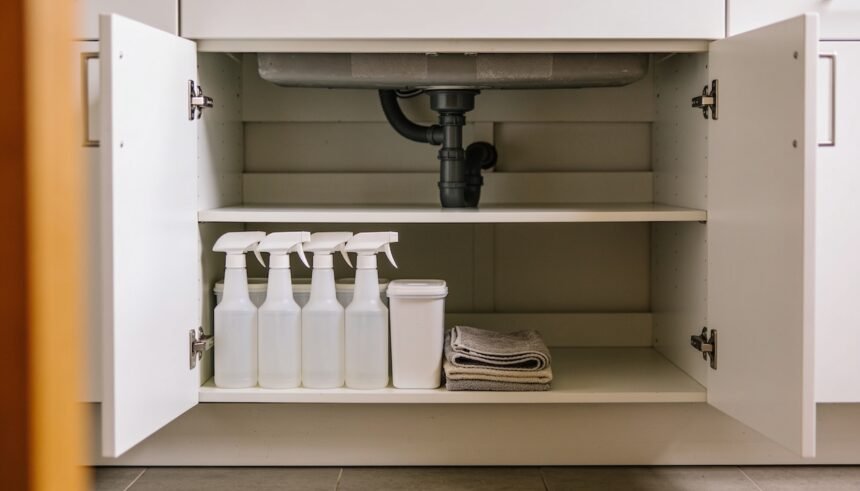
Do you really need a different cleaner for every room?
Cleaning products are sold by room, but they work by the type of grime and the type of surface. Most houses need a handful of products, not a shelf per…
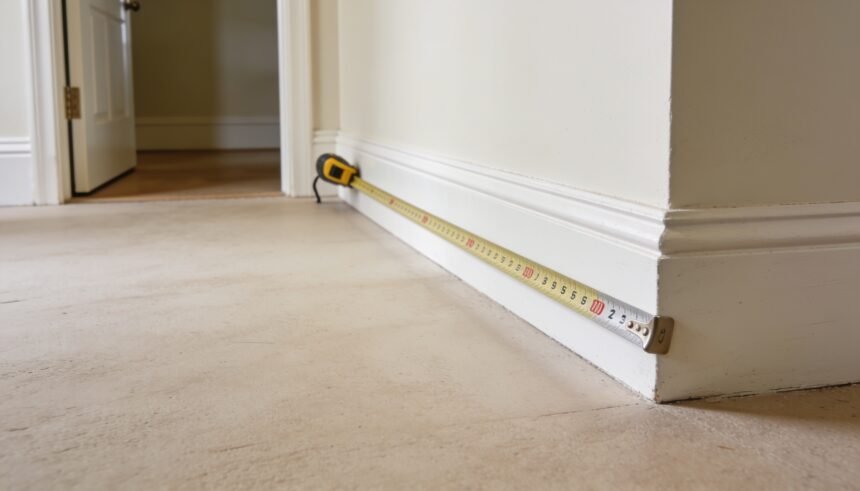
Measuring a space properly before buying storage
Width and height are not the whole job. Clearance for doors, drawers, skirting boards and the path the piece takes to get there decide whether it actually fits.
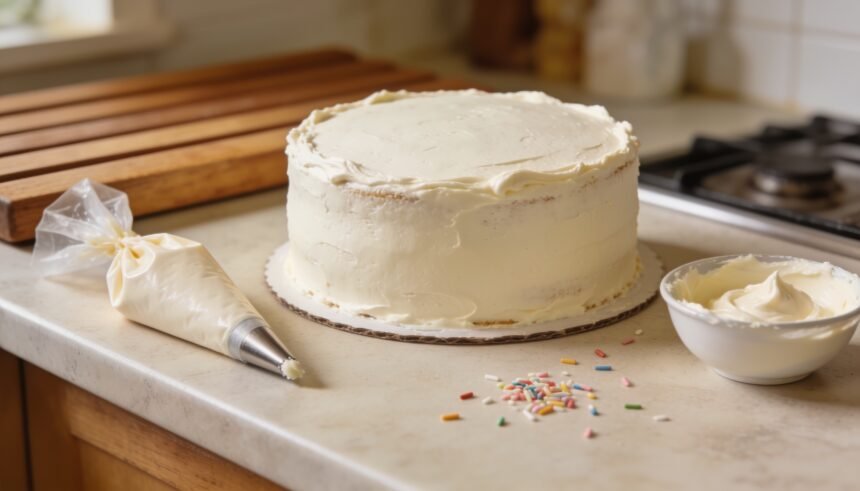
Ordering a birthday cake versus making one
The deciding factor is rarely skill, it is lead time and how firmly a themed request has been made. Answer those two questions before deciding who makes the cake.
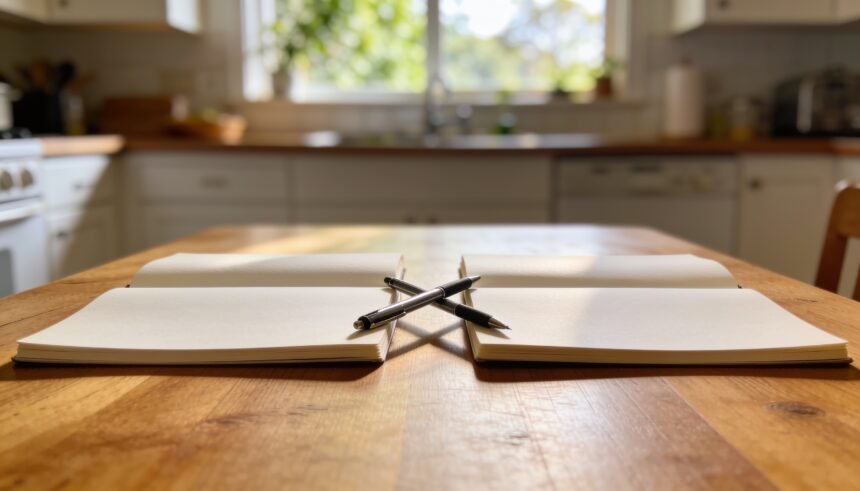
How two working parents split the invisible load
The invisible load is not the tasks themselves, it is noticing they need doing and remembering when. Naming that work is the first step to actually sharing it.
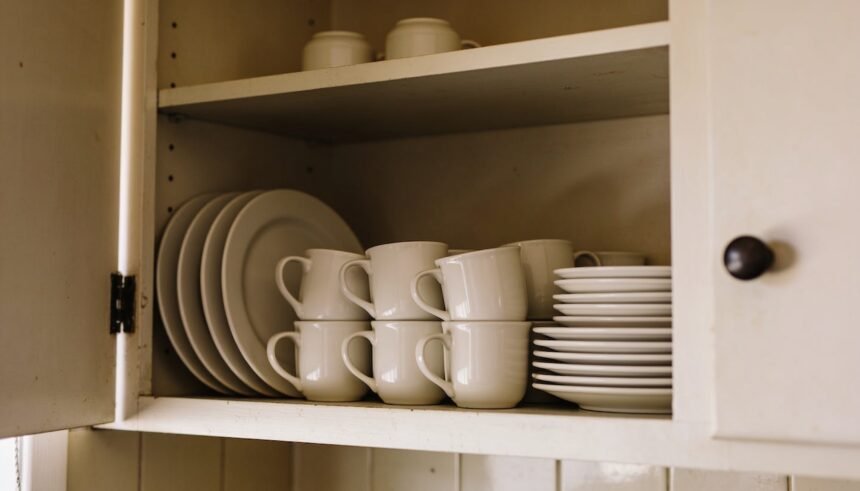
Small kitchen storage for a family of five
A small kitchen for five people has a volume problem, not just a space problem. Storing by frequency of use, not by category, is what actually clears the benches.
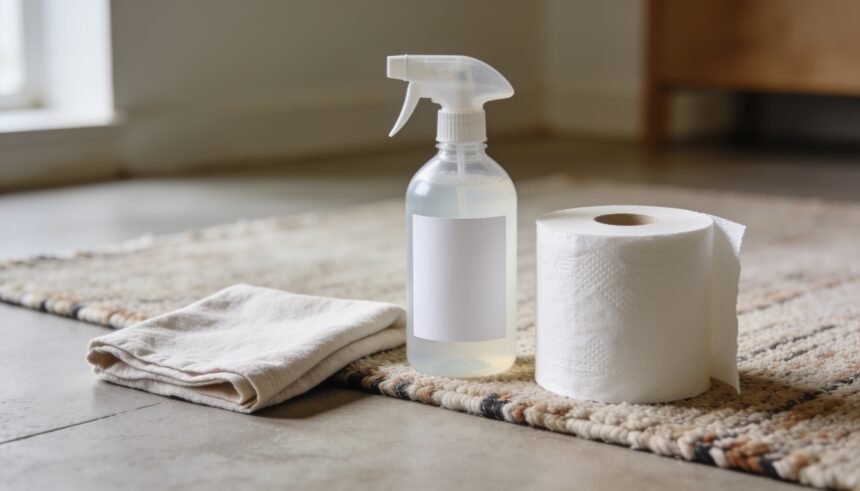
Cleaning up accidents on hard floors and rugs
The order you clean in matters more than what you clean with. Blot or lift first, treat second, and never rub a fresh accident into a rug.

Term-time versus holiday routines: what actually needs to change
Dropping every routine for the holidays feels like a break, but it usually makes the return to term harder. A few anchors are enough to keep the transition small.
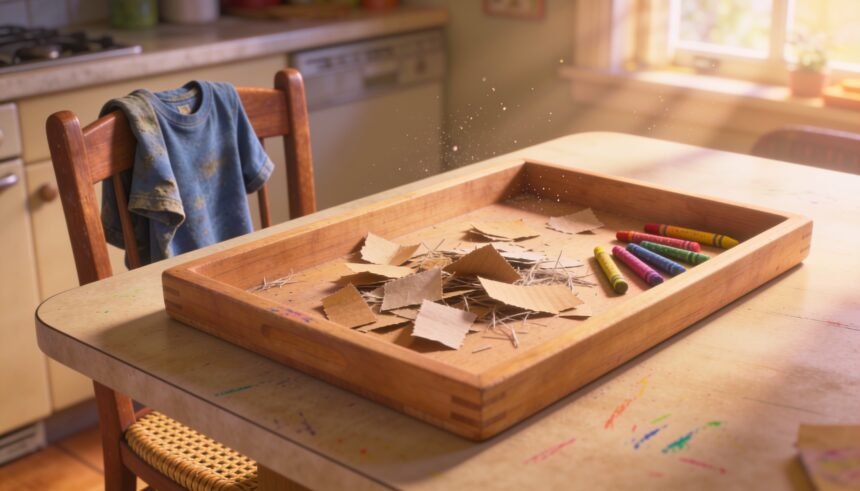
Craft that does not destroy the house
The difference between craft that stays fun and craft that ends in a scrubbing session is rarely the activity. It is the tray, the boundary and what the material does…
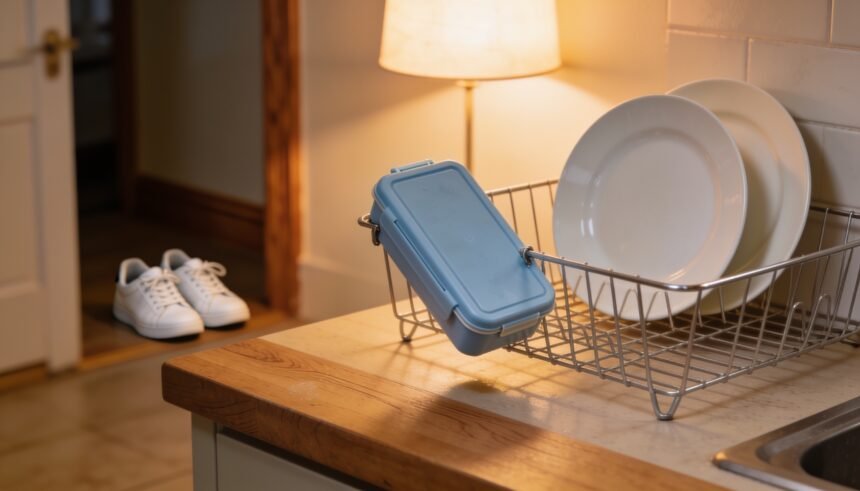
A ten-minute evening reset for a busy household
One short pass through the same four spots each night keeps the house from sliding backwards. The order matters more than the speed, and it starts before anyone sits down.
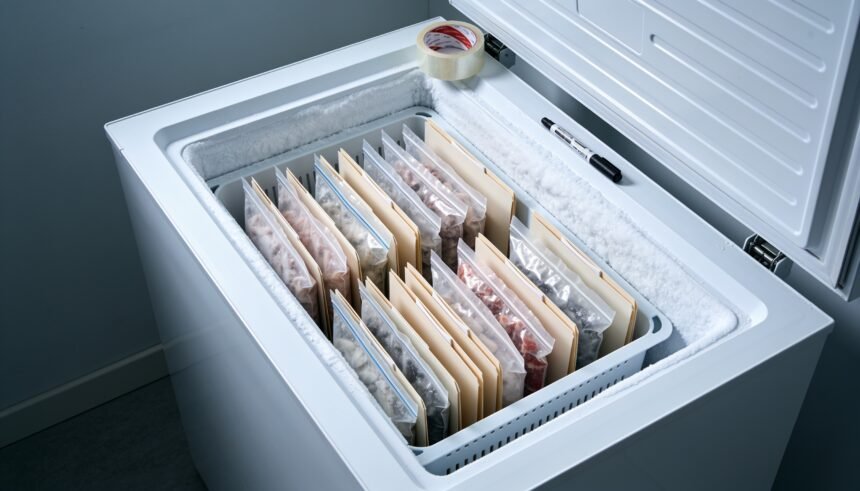
Freezer organisation and labelling that actually gets used
An organised freezer stays organised only if the labelling takes less effort than not labelling. Four zones and a two-line label are the whole system.
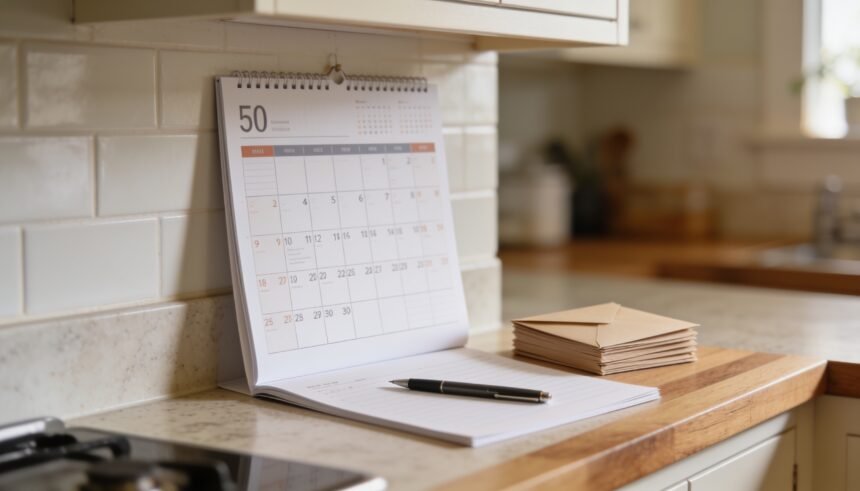
Setting up a bill calendar so nothing is a surprise
Most missed bills are not a money problem, they are a visibility problem. One calendar entry per bill, made the day it arrives, is the whole system.

Keeping receipts and warranty details for household purchases
A receipt is the easiest proof of purchase but not the only one. A simple system for receipts and warranty details makes a faulty product claim take minutes instead of…

Making a carrier somewhere the cat will walk into
Most cats fight the carrier because it only appears before something unpleasant. Leaving it out, feeding beside it and rehearsing short closed-door sessions turns it into a place the cat…

Writing a marketplace listing that answers questions first
Buyers message about size, condition, what is included and pickup. This template puts those answers in the listing first, so fewer questions arrive and fewer sales stall on a missing…

Managing three kids on three different schedules
Three children, three timetables and one household calendar: a practical way to see every commitment in one place, decide what actually moves, and share the load across the week.