What is in this guide
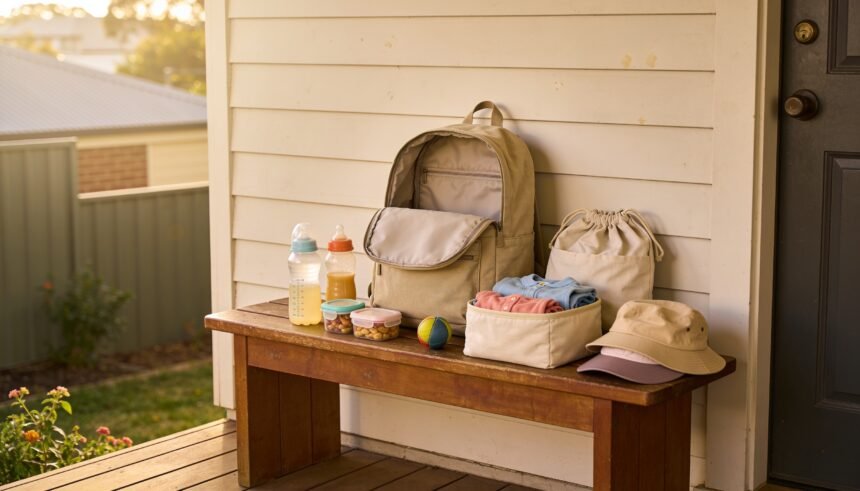
Pack one shared bag with drinks, familiar snacks, clean-up supplies and separate clothing changes, then add the toddler’s usual care kit and one play extra for the older child. For a short park morning, choose the return time first so you can leave lunch gear and a second round of activities at home.
Choose the park and the finish time first
Decide whether you are going for playground time, a walk followed by a snack, or a picnic that happens to include play. Each version changes the bag. A picnic calls for something to sit on; a brief playground visit may not.
Check the destination’s own information for toilets, access and any closures before you leave. Do not assume a tap or toilet will be available because a different park has one. If you are still choosing, use the guide to what makes a good playground to consider the setting before deciding what to carry.
Set a rough time to head home and work backwards from your household’s next meal or rest. The guide to planning an outing around nap or rest times can help with that part. A toddler’s rest window does not need to become the older child’s job to manage.
Pack the shared essentials once
Use this as the core list, adjusting quantities to the visit you have chosen. There is no need for a separate family bag for each child.
| Pack | Make it useful for this morning |
|---|---|
| Filled drink bottles for both children and the adult | Put them where you can reach them without taking out the clothing bundles. |
| Familiar snacks in closed containers | Pack for your usual snack time and the journey home, rather than adding a full lunch by default. |
| Tissues and your usual clean-up supplies | Check that the packets still contain something. |
| A separate clothing change for each child | Include underwear or nappies as relevant, socks and the clothes each child currently wears. |
| An empty bag for used clothing | Keep it beside the clean changes so it has an obvious purpose. |
| A small rubbish bag | Give wrappers and used tissues somewhere to go until you dispose of them. |
| Phone, keys and usual payment or transport cards | Use the same accessible pocket each time. |
| Your family’s usual outdoor items | Include the hats, clothing and other items already part of your outdoor routine. |
This is a short-morning logistics list. If your plan has grown into a longer visit or includes a beach, switch to the broader park and beach day packing checklist before adding more things at random.
Give the toddler one complete change bundle
Pack the toddler’s spare clothes together rather than scattering socks, a top and trousers through different pockets. A small pouch or reused bag lets you pull out the whole change when needed. Keep the school-aged child’s bundle separate and distinguish the two by colour or position.
Add the nappy or toileting supplies you normally take for an outing of this length. Check the actual contents, including the change mat if you use one, instead of assuming yesterday’s pouch is still stocked. This list sits alongside your established care routine.
If the toddler uses a comfort item for the trip home, give it a named place in the bag. Decide whether it comes out at the park or stays packed for the return journey. That is a practical choice about keeping track of it, not a reason to bring several substitutes.
A pram can be part of the transport plan if you already use one. Decide before leaving who will carry the shared bag when it comes off the pram. Avoid building a kit that you can only move while every item stays attached to it.
Let the older child choose one extra
Offer a small choice: a ball, a notebook and pencil, or a familiar compact activity. Pick something that fits the chosen visit and your plan for supervising both children. Leave bikes, scooters and equipment-heavy activities for a morning planned around those activities.
The older child can choose their extra and check that it comes home. If they want to carry a small bag, agree what belongs in it. Their own bottle and activity may be enough; the adult keeps the shared care supplies.
Do not make carrying a bag the price of being the older sibling. If it will become another loose item for you to manage, use the shared bag instead. Nor does a school-aged child need to entertain the toddler throughout the visit. For ideas you can offer the younger child, browse free activities for toddlers before leaving and choose one that needs little or no equipment.
Keep snack time simple for two different appetites
Pack familiar portions in containers you can open separately. That lets one child have a snack without unpacking everything intended for the other. Choose food and preparation that already fit your household’s needs, rather than trying a new picnic menu on the way out.
If you expect to eat lunch at home, make that part of the plan. There is little value in carrying a large picnic because you have not decided when the morning ends. If lunch moves to the park, reconsider the food and storage arrangements as a separate step instead of simply doubling the snacks.
Keep one planned return snack accessible if the journey crosses your usual eating time. It need not be a special treat or a separate purchase. The useful distinction is knowing which food is for the park and which is still available when you leave.
Pack in the order you will reach for things
Put clothing bundles and the empty used-clothes bag at the bottom. Place the toddler care pouch above them, then snacks and any sitting mat. Keep bottles, clean-up supplies and essentials in accessible pockets. Check that lids are closed before the bag leaves the bench.
For a walk or bus trip, put the packed bag on and pick up anything else you intend to carry. If you already have more separate items than you can comfortably manage, remove the optional activity or sitting mat, or shorten the outing. With a car, keep the supplies you expect to use at the park in the bag you actually take with you.
At the door, check three things: both children have their own filled bottle, both change bundles fit their current wearer, and the toddler care pouch has been replenished. On returning home, take out food and used clothes before putting the bag away. Leave the empty pouches together, ready to refill for the next morning.
How we checked this
Reviewed on 11 October 2026 as an editorial checklist for a short mixed-age outing. Topic details, published internal links and reused tags were checked against Dovelyne’s records. Packing choices are practical suggestions; no outing, product test or inspection of a park is claimed.
The one-page family week
One printable page that holds the whole week: meals, school, activities and who is doing the pickup. Free, and we send one useful email a week.
One email a week. No spam, unsubscribe in a click.