What is in this guide
Almost every page about cockroaches treats them as one thing. They are not, and the difference decides everything you do next.
A single large cockroach, two to four centimetres, usually at night, usually near a drain, a laundry or an outside door, is most often an outdoor species that wandered in. In much of Australia these live in garden beds, drains, subfloors and grease traps. They come in, they blunder around, and they do not establish a population indoors. One of these is not an infestation.
Several small cockroaches, around one to one and a half centimetres, pale brown, living near the kettle, the toaster, the dishwasher or the fridge motor, is a different matter. Small indoor species breed indoors, stay indoors and multiply quickly. Seeing three in daylight generally means there are a great many you have not seen.
The practical test: size, location and time. Large, near a drain, at night, alone, is a visitor. Small, in a warm appliance area, in daylight, more than one, is a population.
If it is a visitor
This is the common case and it is a twenty-minute job.
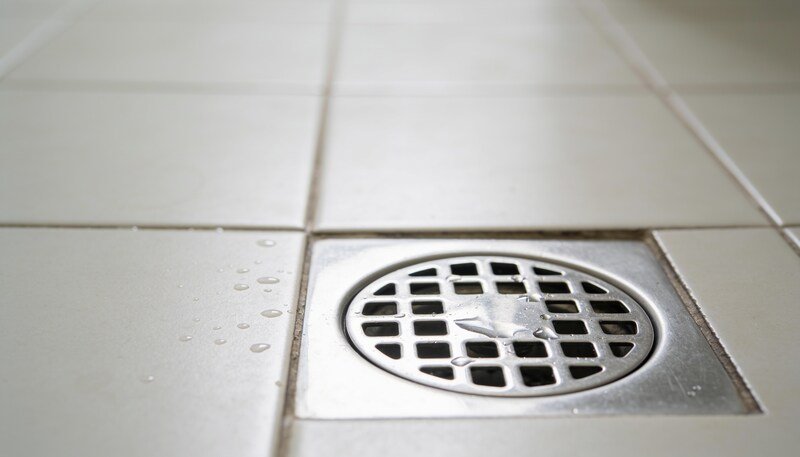
- Check the drains. Floor wastes in laundries and bathrooms, and the shower drain, are the usual route. A drain that is rarely used dries out and the water seal stops working, which opens a direct path. Run water down every drain in the house monthly, including the spare bathroom
- Cover the overflow and the floor waste where you can. Simple drain covers cost very little
- Check the doors. A worn weather seal under an external door is the second route. So is a torn flyscreen
- Check outside at night. Garden beds hard against the house, mulch piled against brickwork, a compost bin next to the back door, firewood stacked against a wall. Moving these back by even half a metre helps
- Lighting. Outdoor lights near a door draw insects, which draws everything that eats them
No treatment is required for a one-off visitor. Killing the individual and closing the route is the whole job.
If it is a population
Slower, more systematic, and the order matters.
1. Take away water first. Cockroaches survive much longer without food than without water.
- Fix dripping taps, including the outside one
- Dry the sink and the shower at night
- Pet water bowls up overnight where practical
- Condensation under the fridge and behind the dishwasher is a water source, and it is exactly where small species live
2. Take away food.
- Crumbs under and behind the toaster, the kettle and the microwave
- The grease film on top of the rangehood and behind the cooktop
- Pantry staples into sealed containers rather than opened packets. Pantry organisation that survives a family is the system
- The bin, with a lid, emptied, and the recycling rinsed. A household system for four bins and two drop-offs covers keeping that workable
- Dishes done rather than soaking overnight
3. Take away harbourage. This is the step almost nobody does and it matters as much as cleaning.
Small species live in warm, tight, dark gaps: behind the fridge motor, under the dishwasher, inside the kettle base, behind the kickboards, in the gap between the wall and the cupboard, in cardboard.
- Get rid of cardboard. Cardboard boxes stored in a kitchen, pantry or laundry are ideal harbourage
- Pull the fridge out and clean behind and under it, including the coils
- Seal gaps at kickboards, around pipes under the sink, and where cupboards meet walls
4. Bait, do not bomb.
Gel and station baits work the way ant baits do: they are carried and shared, so they reach the ones you cannot see.
Foggers and bombs are the classic mistake. They kill what is in the open, they do not penetrate the gaps where the population actually lives, and they scatter survivors into wall cavities and into neighbouring units. Several are also a fire risk near a pilot light. They make the problem harder to finish.
- Place baits in the gaps, not on open surfaces
- Do not spray a surface cleaner or an insecticide over the bait, which contaminates it and makes it unattractive
- Expect one to three weeks
- Do not clean the bait away when activity increases
5. Then keep it closed. Sealing gaps and staying on top of the water and the grease is what stops the second round.
Safety, which matters more here than for ants
- Keep baits and any product out of reach of children and pets. Gel baits are placed in gaps for this reason as well as for effectiveness
- Never use an outdoor product indoors, and follow the label exactly
- Avoid foggers and bombs entirely in a home with children, pets, asthma in the household, or any pilot light or open flame
- Ventilate during and after any treatment
- Do not mix cleaning products, and particularly not a chlorine-based product with an acidic one
- If you suspect a child has ingested a bait or been exposed to a spray, call the Poisons Information Centre on 13 11 26, or 000 in an emergency. For a pet, the Animal Poisons Helpline
On health: cockroach allergens are a recognised asthma trigger. If somebody in the house has asthma, that raises the priority of solving it properly and is a good reason to bring in a professional rather than extend a DIY attempt. It is also a matter for their doctor rather than for this article.
Apartments and units are a different situation
Worth being direct about.
In a unit block, small indoor species travel between apartments through shared wall cavities, plumbing voids and risers. One immaculate unit next to an untreated one will keep getting them.
- Treat your own unit properly, because it reduces your own population
- Seal your own gaps, particularly around pipes under the sink and behind the kickboards
- Report it to building management or the owners corporation. Building-wide treatment is the only thing that actually works in a block, and a single resident cannot achieve it
- If you rent, report it in writing. Depending on the state and the circumstances, pest control in a rental may be the landlord’s responsibility, particularly where the problem predates your tenancy. Your state tenancy authority is the place to check
When to call someone
- Small species seen in daylight, more than once
- Any sighting inside an appliance
- It returns within weeks of a full bait cycle
- You are in a unit block
- Anyone in the household has asthma
- You would rather not manage bait placement around a crawling child
What does not work
- Foggers and bombs. Covered above
- Surface spray around skirtings as a standalone approach. It kills what walks over it and does not reach the harbourage
- Baking soda and sugar. Widely repeated, not a treatment
- Squashing them. Beyond the obvious, it is worth knowing that crushing can spread egg cases
- Cleaning alone, if it is a population. Cleaning removes food and does not remove a colony living behind the dishwasher
The short version
Identify it first. One large one at night near a drain is a visitor: run the drains, fix the seals, move the mulch off the wall, and stop worrying.
Small ones in the kitchen in daylight are a population: water, then food, then the gaps they live in, then bait placed into those gaps and left alone for a fortnight. No bombs. And if you are in a unit, tell the building, because your kitchen is not the whole problem.
The one-page family week
One printable page that holds the whole week: meals, school, activities and who is doing the pickup. Free, and we send one useful email a week.
One email a week. No spam, unsubscribe in a click.