What is in this guide
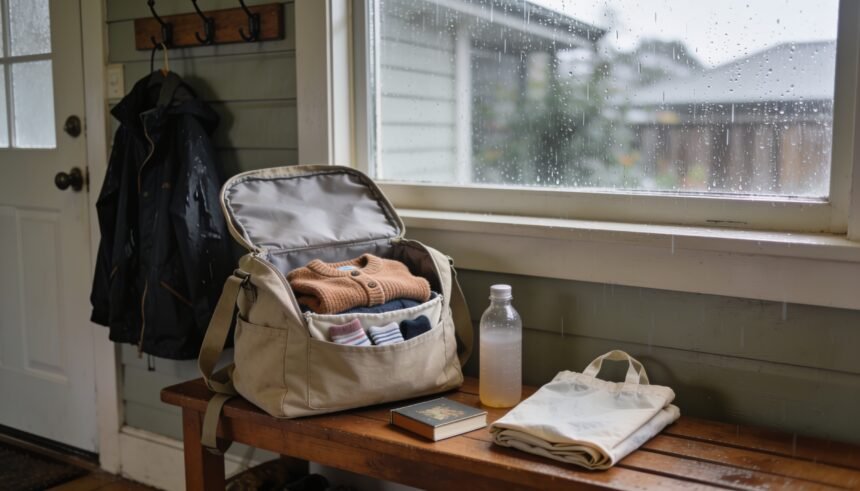
For a last-minute indoor outing, pack one manageable bag with entry essentials, a drink, spare clothing, a separate bag for wet items and one quiet activity. Add food and venue-specific extras only after checking the destination’s conditions, so you carry what the visit needs rather than a whole day’s outdoor kit.
Check the destination before opening the bag
Confirm the place is open and that the activity you want is available when you intend to arrive. Check whether you need a booking, what to show at entry, and whether there are conditions about bags, food, footwear or prams. Keep the relevant confirmation easy to find on your phone, or bring a printout if that suits you.
A library visit and a booked play session may call for different things. For help reading the session listing, use the guide to library programs and what they offer, then check your own branch’s details. Do not pack craft supplies just because an event mentions craft: find out whether participants need to bring anything.
If you have not chosen a destination, the free rainy-weekend activity ideas can help narrow the plan. Choose one visit and an approximate return time before deciding how much belongs in the bag.
Pack this short core checklist
Use the list as a starting point, then remove anything your household does not need.
| Pack | What to check before it goes in |
|---|---|
| Phone, keys and usual payment or transport cards | Put them in a consistent pocket you can reach without unloading the bag. |
| Booking confirmation or membership card, if required | Have the actual entry information ready, rather than relying on finding an email in the queue. |
| Filled drink bottle | Choose one you already use and check the lid is closed. Follow the venue’s drinking rules. |
| Spare clothing for anyone likely to need a change | Include socks if wet shoes or puddles are part of your journey. Pack for today’s wearer and weather. |
| Separate bag for damp clothing | Use a bag you already own to keep wet items apart from the dry change. |
| Tissues and your usual clean-up supplies | Check the pack has contents; do not carry an empty packet from the previous outing. |
| One quiet activity | Choose a familiar book or compact activity suited to the child and the place. |
If nappies or toileting changes are still part of your routine, add the supplies you normally take for a visit of this length. Keep them together so another adult can find them. This checklist supplements that existing routine rather than replacing it.
Keep dry changes away from the wet journey
Pack spare clothing together inside a separate pouch or bag. Put the empty wet-item bag beside it. That gives you an obvious place for damp socks or clothing after changing, without mixing them back into the clean bundle.
Carry the rainwear you already use for the route from home to transport and from transport to the entrance. Decide where it will go once indoors. If you plan to put a wet umbrella in the main bag, bring a separate sleeve or bag for it and keep it away from paper activities and clothes. A storage bag is a way to organise the contents, not a promise that your whole bag is waterproof.
For a short walk or bus trip, carry the packed bag around the house before leaving. If it feels cumbersome now, remove optional items. With a car, you can choose to leave a second clothing change in the vehicle, but keep the change you expect to need during the visit with you.
Add food only when it fits the visit
If the outing crosses your usual snack time, check where eating is permitted before packing food. Bring familiar food in the containers you normally use, or plan to eat before entry or after leaving. Do not assume a venue allows food beside exhibits, books or play equipment.
Avoid adding a full picnic by default. For a brief visit between meals, it may make more sense to eat at home first. For a longer outing, decide the eating stop as part of the plan rather than packing food and hoping to find a suitable spot.
Keep any food containers separate from damp items. Add only the cutlery or napkins the chosen food needs, and make room to take the used containers home.
Swap extras to suit the destination
Treat these as questions to answer, not automatic additions:
- Library: Do you need your membership card or books to return? Leave room for borrowing instead of filling the bag with activities from home.
- Museum or gallery: Is there a bag-size condition or a place to leave belongings? Check before carrying a bulky backpack. Pack a quiet activity only for permitted waiting or break areas.
- Indoor play session: Does the venue specify particular footwear or socks? Bring what its current instructions require rather than guessing.
- Visit to friends or relatives: Have you agreed on food and activities? Ask once, then avoid duplicating everything your host has offered.
For the quiet activity, choose something that can be put away quickly. The indoor games for a wet afternoon include ideas that need few or no supplies. A spoken guessing game can replace another object in the bag, provided it suits the setting. Save a board with loose pieces for somewhere you have agreed to spread out.
Load the bag in the order you will use it
Put the dry change and routine care supplies deeper in the bag. Keep entry items near the top or in a separate pocket. Place the drink bottle where you can retrieve it without pulling out clothing, and leave access to the empty wet-item bag.
Give children a clear choice of one small activity rather than an open invitation to fill the bag. If siblings want different things, agree who carries them and who checks that they come home. With one adult managing everyone, fewer separate bags may suit the trip better than a bag per child.
Leave the spare shoes, large towel and second set of toys at home unless you can name when you will use them. The trade-off is less backup for an unexpected change, but a lighter bag for the journey and the visit. Shortening the outing is also an option if the preparation starts to outweigh the activity.
Reset the bag when you get home
Remove food, drinks and damp clothing first. Empty the wet-item bag and put used clothes with the washing. Return keys and cards to their usual place, then check whether tissues or routine care supplies need replacing.
Keep reusable empty pouches together for the next outing, but add fresh food, water and weather-appropriate clothes on the day. Children may have outgrown a change left in the bag months ago, so check the actual clothes rather than treating a packed bundle as permanently ready.
If leaving now would mean rushing through the whole visit, choose something from the indoor activity ideas for primary-school kids instead. Otherwise, start with the entry confirmation and dry change, then work down the core checklist and stop when the bag covers the visit you have chosen.
How we checked this
Reviewed on 6 October 2026 as an editorial packing checklist. Topic details, published internal destinations and existing tags were checked against Dovelyne’s records. Packing choices are practical editorial suggestions; no venue inspection, product testing or universal venue policy is claimed.
The one-page family week
One printable page that holds the whole week: meals, school, activities and who is doing the pickup. Free, and we send one useful email a week.
One email a week. No spam, unsubscribe in a click.