What is in this guide
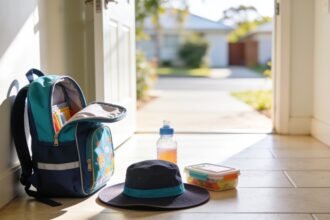
For Year 5, pack the school’s requested daily gear first: lunch, a filled drink bottle, the required hat, classroom items and any books or diary that need to travel. Keep first-day classroom supplies separate from everyday contents, and add sport, library or device equipment only when the school asks for it.
Use this as a working checklist beside your school’s current instructions. Cross out anything that does not apply rather than treating every example as something to buy. A Year 5 bag should reflect the student’s actual day, including what stays in the classroom and what comes home.
Check three things before opening the bag
Find the current class supply list, first-day message and timetable information. If the timetable has not arrived, pack the confirmed essentials and leave a short question list for the school. Guessing about library, sport or devices can mean carrying equipment with no planned use.
Sort the instructions into three groups:
- Every school day: Items that travel between home and school regularly.
- First day or class delivery: Supplies intended to be handed over and stored at school.
- Named days only: Equipment for a scheduled lesson, activity or arrangement.
For uniforms, forms and other jobs beyond the bag, use the broader back-to-school checklist for Australian families. Keep this packing list short enough for your child to use while standing beside the open bag.
Tick off the everyday contents
The following is a suggested starting list. Mark each item as packed, not required or waiting for school confirmation. An unticked item should mean something specific, rather than leaving everyone unsure whether it was forgotten.
| Check | Item | What to confirm |
|---|---|---|
| Not yet checked | Lunch and any separate snack container | Packed for that day’s arrangements and school instructions |
| Not yet checked | Filled drink bottle | Correct lid fitted, closure shut and bottle in its usual pocket |
| Not yet checked | School-required hat | The right hat is actually in the bag or ready to wear |
| Not yet checked | Pencil case, if carried daily | Requested writing tools present and usable |
| Not yet checked | Diary or communication folder, if used | Any item due back is inside |
| Not yet checked | Assigned reader, homework or travelling exercise book | Only the books needed for the day are included |
| Not yet checked | Required personal items | Follow the student’s existing school arrangements |
Do the pencil case check with the zip open. Count against the teacher’s list rather than filling it with every pen in the house. Sharpen requested pencils, check that pens write and remove broken or unwanted pieces. Leave classroom-only stationery with the first-day supplies.
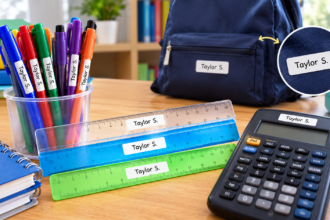
Keep the lunchbox and bottle easy to identify. If names are missing or unclear, the separate guide to labelling school gear covers that job without turning this checklist into a labelling project.
Pack first-day supplies as a separate handover
Lay out new exercise books, folders and other requested classroom supplies beside the daily bag. Compare quantities and specifications with the current list. Do not assume last year’s unused supplies match this year’s request, but reuse them where they do.
Check these points before putting the bundle away:
- Are the requested quantities present, with no duplicate set added by accident?
- Does the school want books covered or named before delivery?
- Should supplies arrive on the first day or another nominated day?
- Are any items provided by the school rather than brought from home?
- Is the bundle clearly separate from lunch and everyday equipment?
If everything will not fit sensibly, check how the school wants supplies delivered. An adult-carried bundle may suit a handover where permitted. Avoid forcing the daily bag shut simply to make all the first-day supplies travel inside it.
Once the classroom supplies have been delivered, remove them from the home packing list. Otherwise, a one-off task can remain on the checklist long after it stops being useful.
Add extras for the actual timetable
Make a small weekly note with the day and the extra item. Use the teacher’s information, then amend it when arrangements change. These are prompts to check, not assumptions about what every Year 5 class does.
| If the school schedules this | Check whether to add | Leave out unless requested |
|---|---|---|
| Library borrowing | Returning books and the required library bag | Unrelated books that can stay home |
| Sport or another activity | The specified clothing, footwear or equipment | A permanent spare kit with no identified use |
| Instrumental music | Instrument, music folder or lesson materials | Equipment for lessons held on another day |
| Device use | The approved device and required protective case | Unapproved accessories or an assumed charger |
| An excursion or special event | Items in that event’s specific instructions | An old excursion list used without checking |
For devices, read the guide to school BYOD requirements before buying or packing technology. This checklist does not establish whether your child’s class uses a device, which model is accepted or whether a charger belongs at school.
If your child moves between households, agree where scheduled equipment will be before the night it is needed. Put the handover detail beside the timetable entry so the packing check can identify a missing item while there is still time to locate it.
Give each part of the bag a job
Try a simple layout with your child: papers and books together, lunch in an accessible section, the bottle in a suitable pocket and small loose items contained. Use the compartments the existing bag actually has. You do not need extra organisers to assign a place to a diary.
Ask your child to take out the lunchbox, find the diary and put both back. If a routine item requires emptying the whole bag, change the layout before adding more equipment. Keep the first-day handover bundle separate during this rehearsal.
Remove last term’s loose sheets, old activity materials and objects with no current purpose. If something belongs to school, put it with the returns instead of discarding it. The aim is an understandable bag, with a reason for each item inside.
Let the student lead the final check
Read the list together, but ask your child to point to each packed item. Saying “yes” from another room does not tell you whether the library book is in the bag or still on a shelf.
Keep prompts concrete: “Which books go back tomorrow?” and “What does the timetable say?” Give help where it is needed without turning Year 5 into a deadline for managing everything alone. The guide to teaching kids to pack their own school bag develops that separate routine in more detail.
At the end of the school day, choose a convenient moment to take out containers, review returned papers and identify tomorrow’s extras. Leave food and the filled bottle for the appropriate packing time rather than ticking them off before they are ready.
For the first morning, place the checklist beside the bag. Check the daily contents, confirm that day’s extras and identify the first-day supplies to hand over. Then close the bag with your child knowing where the things they need are packed.
The one-page family week
One printable page that holds the whole week: meals, school, activities and who is doing the pickup. Free, and we send one useful email a week.
One email a week. No spam, unsubscribe in a click.