What is in this guide
Meat is usually the largest single line in an Australian family food budget, which makes it the obvious place to cut and the place most households are most reluctant to touch.
The reluctance is reasonable. Meals where the meat has been obviously reduced get noticed, complained about and sometimes not eaten, and a dinner nobody eats is more expensive than the one you were trying to avoid.
The technique that works is not reducing the meat. It is replacing the volume so the meal is the same size, the same texture and the same colour, with less meat in it. Done properly, 500g of mince feeds six rather than four and nobody at the table detects anything.
What to replace it with
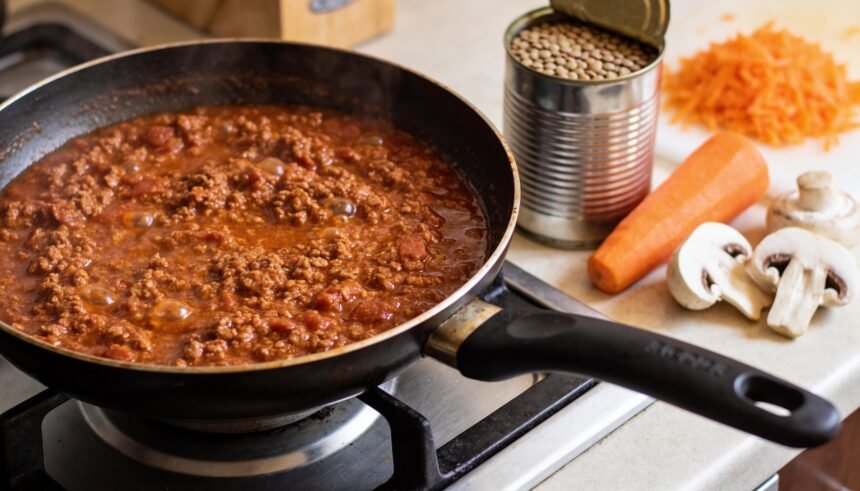
Brown or green lentils, tinned. The single best substitute for beef mince. Similar size, similar colour once browned, and they absorb the sauce they are cooked in. Rinse, drain, add with the tomatoes.
Red lentils. Dissolve entirely, so they thicken rather than bulk. Useful in soups, bolognese and curries where you want body without any visible addition. Genuinely invisible.
Tinned legumes: chickpeas, cannellini, kidney, black beans. Better in curries, chillies, stews and soups than in Italian dishes. Rinse well, because the liquid tastes of tin.
Grated vegetables. Carrot, zucchini and mushroom grated finely disappear into any mince dish. Mushroom does the most work here because it browns like meat and adds savoury depth. Zucchini adds moisture, so drain it or reduce other liquid.
Rolled oats or breadcrumbs. In meatballs, rissoles and burger patties, a handful of oats per 500g of mince is standard practice and improves the texture rather than harming it.
Cooked rice or pasta added to the dish. Not a substitute for the meat, but it changes the ratio of the plate. A bolognese served with more pasta and less sauce is the crudest version of this and works fine.
Eggs. The cheapest protein per serve in most weeks. A frittata clears the fridge and feeds a family for very little.
Ranked by how well the dish hides it
This is the part that matters. Some dishes will take a 50 per cent reduction invisibly and some will not take any.
Completely invisible
Bolognese and pasta sauces. Replace half the mince with brown lentils and add grated carrot and mushroom. This is the flagship of the whole technique and almost nobody notices.
Chilli and mince con carne. Beans belong in it already, so more beans is not a change.
Shepherd’s and cottage pie. Under a mash lid, with lentils and grated vegetables through the base.
Soups and minestrone. Designed around legumes and vegetables.
Curries. Chickpeas or lentils with a smaller quantity of meat is a normal way to make a curry rather than a compromise.
Lasagne. Same sauce as the bolognese, and the layers hide everything.
Fried rice. A small amount of meat flavours the whole dish.
Pies and sausage rolls. Grated vegetable and oats go through the filling unremarked.
Works with care
Rissoles, meatballs and burgers. Oats and grated vegetable are fine. Too much and they fall apart or go soft, which is the giveaway.
Tacos and nachos. Beans work well, but the texture change is more visible than in a wet sauce.
Stir fries. Meat is visible in strips, so the move here is more vegetables rather than a substitute.
Does not work
Worth being honest about, because attempting it here is what makes a household suspicious of the whole idea.
Steak, chops, roasts and barbecues. The meat is the dish. Nothing can be added and the only lever is buying a cheaper cut or having it less often.
Grilled chicken breast. Same issue.
Anything where the meat is served as a distinct item on the plate.
For these, the saving comes from frequency and cut rather than from stretching. A roast once a fortnight instead of weekly, or a slow-cooked cheaper cut instead of a premium one.
The two mistakes that expose it
1. Changing the volume instead of the ratio. If you halve the mince and add nothing, the meal is visibly smaller and everyone notices immediately. The whole technique depends on the finished dish being the same size it always was. Add as much bulk as you removed.
2. Adding something with a different texture. Whole chickpeas in a bolognese are noticed instantly, because Italian food does not contain whole chickpeas. Match the substitute to the dish: lentils for mince dishes, beans for chilli and curry, grated vegetables for anything.
A third, smaller point: do not announce it. Not deception exactly, but a household told the dinner has been modified will find the modification. The same dinner served without commentary is usually eaten without comment.
Buying so the stretch goes further
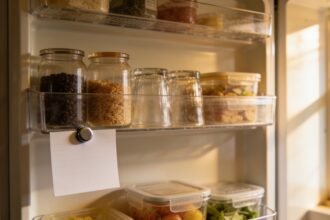
Buy mince in bulk and portion it the day you get it. Freeze in the portion sizes you will actually cook, not as a kilogram block. This is in freezer and pantry staples worth always having and it is the difference between using the bulk buy and defrosting a brick on a Tuesday.
Chicken thighs over breast. Cheaper, more forgiving, better flavour and they do not dry out in a slow cooker.
Cheaper cuts for slow cooking. Chuck, gravy beef, lamb shoulder and pork shoulder are cheaper per kilogram and better in anything cooked long and wet. A slow cooker turns the cheapest cuts into the best meals, which is the reverse of how the price tags suggest it works.
Whole chicken over pieces. Cheaper per kilogram, gives two meals plus stock, and the carcass is free soup base.
Tinned legumes over dried unless dried are already part of your routine. Dried are cheaper and require deciding the night before. The cheaper option that never gets used is not cheaper.
Getting the protein right
Reducing meat should not mean reducing protein, and the substitutes above are mostly protein sources in their own right: legumes, lentils, eggs and dairy all contribute.
This article does not give dietary advice, and a household making a substantial change to how it eats, particularly with young children or anyone with specific needs, should talk to a GP or a dietitian rather than to a budgeting article. Australian dietary guidance is published by the National Health and Medical Research Council and is the reference.
Follow normal food safety practice for storing, defrosting and reheating meat, which Food Standards Australia New Zealand publishes.
Next: feeding a family of four on a weekly grocery budget covers the other three levers, freezer and pantry staples worth always having covers what to have in, and a family budget that survives a real month covers measuring the result.
The one-page family week
One printable page that holds the whole week: meals, school, activities and who is doing the pickup. Free, and we send one useful email a week.
One email a week. No spam, unsubscribe in a click.