The free school holiday program you want almost certainly exists within fifteen minutes of your house. The reason you have not booked it is that it opened for bookings three weeks ago and filled in about four days.
That is the actual problem with free holiday activities in Australia. It is not scarcity. Councils, libraries, museums and community centres run a genuinely large amount of free programming every holiday period. It is that the good ones are advertised on channels most parents do not check, on a calendar most parents do not know, and they are free, which means demand exceeds supply immediately.
So this is a guide to finding and booking rather than a list of attractions in one city. The specific sessions change every holidays. The places they get published do not.
The booking calendar
This is the single most useful thing in this article.
Bookings for most council and library holiday programs open two to four weeks before the holidays start, which is usually in the middle of the last month of term. Not in the holidays. Not in the last week of term. Well before most families have thought about it.
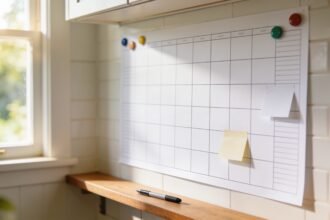
Practical version: put a recurring reminder in your phone for the first week of March, June, September and December. When it goes off, spend twenty minutes on the sources below and book everything. That single habit is worth more than any list of activities, because it moves you from the waitlist to the booking.
The exception is drop-in programming, which needs no booking and is covered below. Plan the booked sessions as the backbone of the fortnight and use drop-ins to fill the rest.
The six places to look
1. Your local council
Councils are the largest provider of free children’s holiday programming in Australia and the one most parents skip. Programs typically run through libraries, community centres, youth centres, aquatic centres and parks, and they are advertised on the council website under a school holidays page that appears a few weeks before each break.
Search your council’s name plus “school holidays”. Do it from the council site rather than a general search, because these pages rank badly and change every term.
Councils also run things that are not labelled as kids’ programming but work perfectly: bushcare and planting mornings, park run events, community garden sessions and free pool entry days.
2. Your local library branch
Libraries are the most reliable free option in the country and they run through every holiday period. Typical offerings include story time for preschoolers, craft and Lego sessions for primary, coding or robotics for older kids, author visits and school holiday reading challenges.
Two things parents underuse. First, library membership is free and usually gives access to digital services from home, which covers the wet afternoons. Second, branches within one council network run different programs, so check the network rather than only your nearest branch.
3. State museums, galleries and cultural institutions
General admission arrangements vary by institution and by state, and many major Australian museums and galleries offer free general entry to their permanent collections with charges applying to ticketed touring exhibitions. Some run free holiday programming on top of that, often requiring a free booking.
Check the institution’s own site for current admission and program details rather than relying on a third-party list, because these arrangements change and a list published two years ago will be wrong.
4. Parks, reserves and waterways
Playgrounds, beaches, foreshores, swimming holes, bushwalks and bike paths are the backbone of a free holiday and cost nothing but transport and food.
One caveat worth knowing: national park entry arrangements differ between states and between parks, and some charge a vehicle entry fee while many charge nothing. Check the relevant state parks authority for the park you intend to visit rather than assuming either way.
Council parks and reserves are almost always free, and the large district playgrounds with water play, flying foxes and shade are the ones worth driving twenty minutes for.
5. Retailer and community workshops
Some large retailers run free children’s activity sessions, community centres run free craft and cooking sessions, and neighbourhood houses run holiday programming at low or no cost. These are advertised locally rather than nationally. A neighbourhood house is often the least known and most useful of these, particularly in regional towns.
6. The local school holiday Facebook groups
Every region has at least one parent group where the free sessions get posted, usually by the parent who found it first. Join the ones for your area before the holidays rather than during them. This is also where cancellations and released spots get shared, which is how you get into a booked-out session.
Building the fortnight
Two weeks of unstructured time is where this comes apart, so a rough shape helps more than a full timetable.
Aim for one thing a day, not three. Kids need days with nothing in them more than they need a packed schedule, and a parent who has planned three activities a day gets to the end of the first week exhausted.
Alternate high effort and low effort. A booked session with a drive attached is a high effort day. The following day should be the backyard.
Keep one wet weather option per week in reserve. Libraries and indoor drop-in sessions are what this is for. In summer it is not rain you are planning around but heat, and the same list applies.
Put the paid outing, if you are doing one, in the second week. It gives the back half of the holidays a shape, and by then the free options have been used once already.
For the day-by-day version of this, a free week of school holidays lays out seven days with nothing booked and nothing bought.
What actually costs money on a free day
Free activities are rarely free by the time you get home. Three things account for most of it.
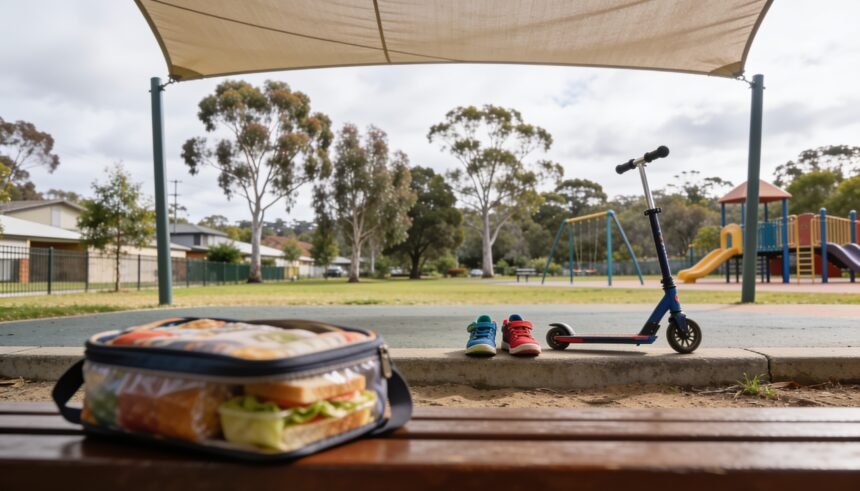
Food. A day out with two children and no packed lunch is the single largest cost in an otherwise free day. Packing food converts a $60 day into a $6 one, and the effort is roughly fifteen minutes.
Parking. Check before you drive to a city institution, because inner-city parking can cost more than the paid attraction you avoided. Public transport for a family is frequently cheaper and is an activity in itself for younger kids.
The gift shop. Decide the answer before you walk in rather than in front of the shelf.
Next: backyard activities that cost nothing covers the days you stay home, a free week of school holidays lays out a full week, and camping with kids for the first time covers the cheapest way to make it feel like a holiday.
The one-page family week
One printable page that holds the whole week: meals, school, activities and who is doing the pickup. Free, and we send one useful email a week.
One email a week. No spam, unsubscribe in a click.