What is in this guide
Make the first trip one night, close to home, on a powered site at a caravan park. Not three nights in a national park two hours away.
The first trip is a test run. You are finding out whether your children sleep in a tent, whether your gear works, and whether anyone enjoys it. Finding that out forty minutes from home with a shower block nearby is a very different experience from finding it out in the dark somewhere remote.
The four things that decide it
Sleep. If nobody sleeps, nobody wants to go again. This is the single biggest factor and it is mostly about warmth and comfort from below, not about the tent.
Warmth. Australian nights get colder than people expect, including inland after a hot day. Cold children wake up.
Shade. An Australian campsite at 2pm with no shade is miserable and genuinely unsafe for small children.
Food that works. A complicated first camp dinner while setting up in fading light is how the trip goes wrong.
Get those four right and most other problems are minor.
Sleep, in detail
Insulation from the ground matters more than the sleeping bag. The ground pulls heat out of a body all night. A decent mat under each child does more than a warmer bag.
Bring their own pillow from home. Small, and it makes a disproportionate difference.
Something familiar. The usual toy, the usual blanket.
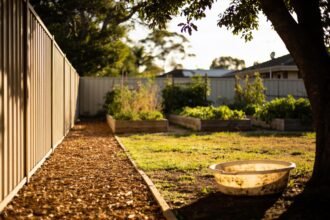
Practise in the backyard first. One night in the tent at home tells you whether your three-year-old will sleep in it, for no cost and no drive.
Expect an early start. Tents get light early and children wake with it. Plan for it rather than fighting it.
Sun and heat, which is the Australian version of this problem
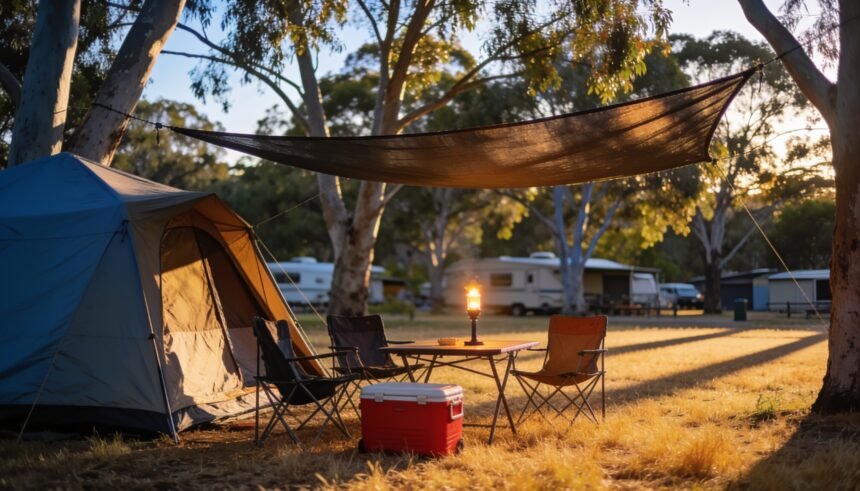
- Shade at the site. A tarp or a gazebo is worth more than almost any other item of gear in an Australian summer
- Hats, sunscreen, long sleeves. Reapply sunscreen far more often than feels necessary
- Water constantly. Children do not reliably notice they are thirsty
- Plan the day around the middle. Active in the morning, quiet and shaded from about 11 to 3, active again late afternoon
- Know the signs of heat stress and treat shade and water as the response, with medical help if a child is unwell rather than simply hot
What to check before booking
- Fire restrictions and total fire bans for the area and the season. These change and they are enforced
- Whether the site is powered, which for a first trip makes a genuine difference
- Whether there are showers and flushing toilets, which for a first trip with small children is close to essential
- Water availability, and whether it is drinkable
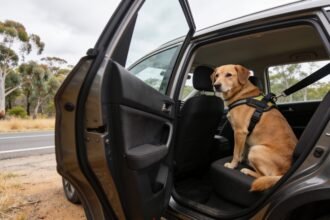
- Whether dogs are allowed, if one is coming
- Phone reception, and what the plan is if there is none
The gear that actually matters
You do not need to buy a full kit for one night. Borrow what you can.
- Tent big enough to stand up in, which matters more than you think in rain
- Sleeping mats for everyone
- Sleeping bags rated for colder than you expect
- Pillows from home
- A tarp or gazebo for shade
- Torches, and a head torch each for the children. This is the item children love most
- A camp light for the table
- Chairs
- An esky, and ice
- A stove, and a spare gas canister
- Basic first aid kit
- Insect repellent
- A bucket, which turns out to be useful for everything
Food for the first trip
Keep it very simple.
- Night one is pre-cooked. Something made at home, reheated. Setting up and cooking a real meal at the same time is the classic first-trip mistake
- Breakfast should be easy. Cereal, toast, fruit
- Lunch should be assembled, not cooked
- Night two is when you cook properly, if you are staying
- More snacks than seems reasonable. Children eat constantly when outdoors
Keeping them occupied
Children generally need far less entertainment when camping than at home. What helps:
- A torch each
- A ball
- Cards or a simple game for the evening
- A bucket and a small spade
- Somewhere they are allowed to explore, with a clear boundary
Most children will spend two hours on a stick and a pile of dirt. Let them.
Safety worth knowing
Water. Rivers, creeks and dams around campsites require the same supervision as a pool. Australian drowning risk for young children is real and constant supervision is the answer.
Snakes. Keep children on paths and out of long grass, wood piles and rock crevices. A suspected bite is an ambulance situation immediately.
Fire. Hot coals stay dangerous long after a fire looks out, and it is the most common camping burn injury in children. Fence the fire or supervise it directly.
Wandering. Agree a boundary and a meeting point on arrival. Give each child a torch and a whistle.
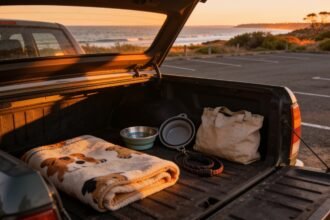
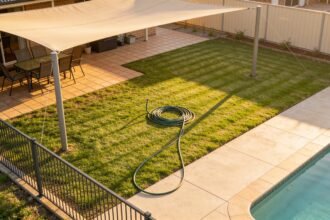
Next: what to pack for a family camping trip is the full list, camping with a dog covers bringing the dog, and getting the backyard ready for summer covers the practice-night setup.
The one-page family week
One printable page that holds the whole week: meals, school, activities and who is doing the pickup. Free, and we send one useful email a week.
One email a week. No spam, unsubscribe in a click.