
What is in this guide
Three trips, three different requirements, and one carrier rarely does all of them well.
- The vet visit is short, frequent and stressful. Access is everything
- The car trip is about the animal being secure and comfortable for hours
- The flight is not your decision. The airline sets the specification and a carrier that does not meet it does not fly
Work out which trip you are actually buying for, because the compromises run in different directions.
This is an editorial comparison. No carrier was used with an animal by us, and nothing here is veterinary advice.
For the vet: buy a top-opening carrier
This is the single most useful recommendation in this article, and it applies to cats above all.
A front-opening-only carrier means a frightened cat has to be pulled out through a small hole, which is unpleasant for everyone and is why cats learn to hate the carrier and then hide when it appears.
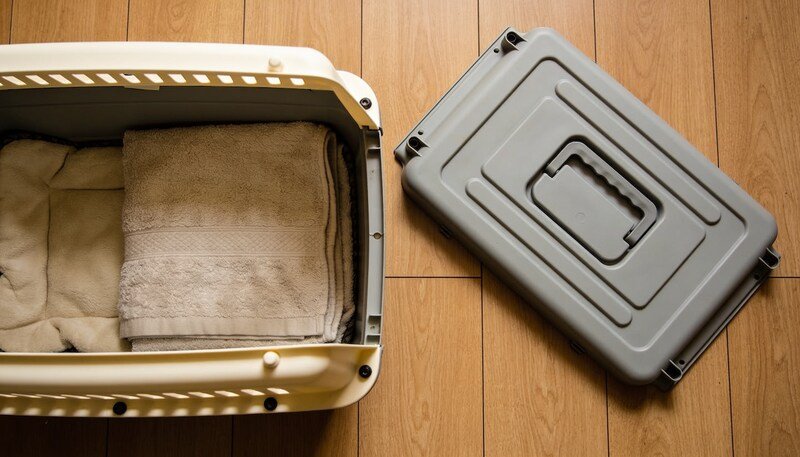
A carrier whose top half unclips and lifts off lets the vet examine the cat sitting in the base it already feels safe in. Most vets will tell you this unprompted.
What else matters for vet trips:
- Hard-sided, because it is easier to clean and it will be cleaned
- A removable, washable pad, because accidents happen on exactly these trips
- Latches that work one-handed, since the other hand is occupied
- Small enough that the animal feels enclosed rather than sliding around
- Left out at home all the time, open, with a blanket in it. The carrier that only appears before a vet visit is the carrier the cat runs from. That habit is free and it is worth more than any feature
Introducing a kitten to a cat or dog you already have covers the same principle at a different moment: the carrier should be a normal object.
For the car
For a cat or a small dog, a carrier is the sensible way to travel, and where it sits matters.
- Secured, not loose. An unsecured carrier becomes a projectile under braking. How an animal must be carried in a vehicle is governed by state road rules, and the restraint question is a separate decision with real legal and safety weight that this article does not cover. Check your state road authority and the manufacturer’s documentation
- On the floor behind a front seat is stable and is a common recommendation for a carrier
- Ventilated on more than one side, and not under a pile of luggage
- Out of direct sun
- Never in a boot that is not part of the cabin
Never leave an animal in a parked car. Temperatures inside a vehicle rise very quickly to levels that kill, leaving a window ajar does not solve it, and in Australia it may also be an animal welfare offence.
For a larger dog travelling in the car, the question is usually a crate or a barrier rather than a carrier. How to choose a dog crate covers sizing, and seat covers, hammocks and boot liners covers protecting the car.
For a flight: the airline decides
Do not buy first and check later.
Australian domestic airlines publish their own pet travel requirements, and they cover the crate specification, the maximum dimensions, the materials, the door and latch type, ventilation on multiple sides, the labelling, whether the animal travels in the hold, the breeds they will and will not carry, and the temperature conditions under which they will refuse to fly an animal.
A carrier described by a seller as airline approved is a claim, not a clearance. The airline is the authority.
What to do:
- Book with the airline first, or at least read their current pet travel page
- Buy to their published specification, including the internal dimensions against your animal
- See your vet well before travel, because health and fitness to fly is a veterinary judgement and there may be documentation required
- Acclimatise the animal to the crate over weeks, not days
- Check the temperature rules, because Australian carriers restrict animal travel in hot conditions and a summer flight may not be possible at all
Road trips with a dog: the realistic version is worth reading if the alternative to flying is driving, which for many Australian trips it is.
Carrier types
Hard plastic. Cleanable, secure, the type most airlines specify, and the right answer for vet trips. Bulky to store.
Soft-sided fabric. Lighter, folds flat, more comfortable for a calm animal. Harder to clean, and not the choice for a determined escape artist. Often the choice for in-cabin travel where a carrier permits it.
Backpack carriers. Genuinely useful for a small animal on public transport or a walk, and a real comfort question for the animal. Suit calm animals and short trips.
Wheeled carriers. Easy on a person, and the vibration and noise at floor level is unpleasant for many animals.
Slings. Fine for a very small dog for a short distance, not a travel solution.
Sizing
The standard is the same as for a crate: the animal should be able to stand without ducking, turn around, and lie down comfortably.
For a flight, the airline’s stated internal dimensions matter more than the label size, and there is usually a minimum clearance above the animal’s head specified.
For a cat, do not buy large. A cat feels safer in a snug carrier, and a large one slides around in a car.
Before you buy
- Decide which of the three trips you are actually buying for
- For vet visits, buy top-opening and hard-sided, and leave it out at home
- For a flight, read the airline’s current requirements before buying anything
- Check the animal can stand, turn and lie down
- Never buy a used carrier with broken latches, and never travel with a carrier you have not secured
The one-page family week
One printable page that holds the whole week: meals, school, activities and who is doing the pickup. Free, and we send one useful email a week.
One email a week. No spam, unsubscribe in a click.