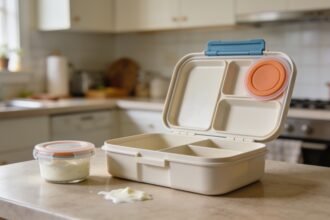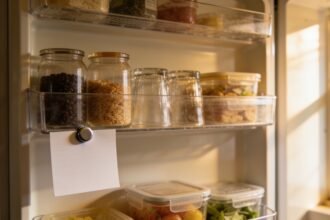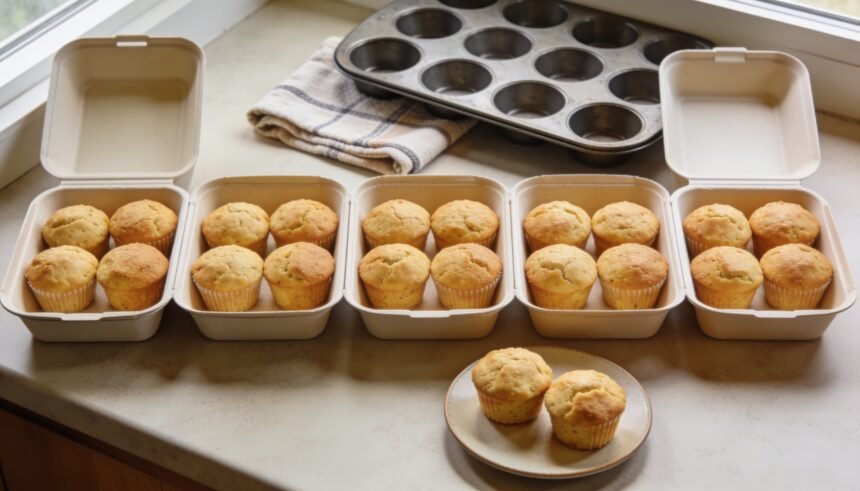
What is in this guide
For batch baking recess snacks, count the school occasions first, then choose one familiar recipe that makes enough of the portions your child usually takes. Allocate the school portions before offering the extras, and follow the recipe’s storage and packing instructions rather than treating a week’s supply as a bench-top stash.
The batch can cover the baked part of recess without covering everything your child eats at that break. Keep any usual accompanying foods in the plan. The aim is to settle one recurring preparation job, not design a new lunchbox menu or turn Sunday into a baking marathon.
Count the recess occasions before choosing a recipe
Start with the actual school calendar. Cross out public holidays, pupil-free days and any day when recess food is supplied elsewhere. A lunch order does not necessarily include recess, so check what that arrangement covers before removing a day.
Then write down the number of baked pieces normally packed for each child. Use your own familiar portion as the planning unit. One muffin and two small slice pieces are different quantities; the recipe’s stated yield alone cannot tell you how many recess occasions it covers.
For example, if two children each usually take one muffin on five school days, you need ten muffins. A recipe yielding twelve of that same size leaves two unallocated. If only one child wants that bake, the school requirement is five, and the rest needs another purpose. These are counting examples, not recommended serving sizes.
Do the calculation before shopping. It may show that your usual batch is already enough, without doubling anything.
Choose one bake your child already wants
Ask a concrete question: “Would you like the usual savoury muffin at recess this week?” Better Health Channel recommends discussing lunch choices with children and including foods they like. Use that conversation to choose the batch before committing ingredients to it.
Start with a recipe you already use, with a stated yield and clear storage directions. Cancer Council NSW’s Healthy Lunch Box resource includes savoury muffins and carrot and oat slice among its freezer-friendly options. Those are possible formats, not a reason to replace a familiar recipe that already suits your household.
Check three things: does the recipe make the required number of your usual portions, fit the tin you own and suit the time you have? A twelve-muffin recipe is only a one-tray job if your tin accommodates twelve. With a smaller tin, allow for the recipe’s baking sequence or choose another recipe intended for your equipment.
Keep household requirements and current school instructions in view when selecting ingredients. This plan does not supply ingredient substitutions or establish whether a food suits an individual dietary requirement.
Turn the batch into a five-day allocation
Write the allocation beside the recipe before starting. Here is the two-child, twelve-muffin example, assuming each child usually takes one muffin:
| Destination | Child A | Child B | Total allocated |
|---|---|---|---|
| Monday recess | 1 | 1 | 2 |
| Tuesday recess | 1 | 1 | 2 |
| Wednesday recess | 1 | 1 | 2 |
| Thursday recess | 1 | 1 | 2 |
| Friday recess | 1 | 1 | 2 |
| Unallocated extras | Not assigned | Not assigned | 2 |
This table assigns a destination, not a storage location or shelf life. Use the recipe’s directions for preparing, cooling, storing and packing its particular bake. Where freezing is part of that method, plan the required space before you begin. The separate guide to freezer lunchbox baking covers that subject; this routine is about making the right quantity and reserving it.
If the recipe has no suitable make-ahead directions, choose one that does. A promise of five days of recess baking needs a workable preparation method as well as enough pieces.
Check the cupboard against one ingredient list
Read the whole recipe and compare its ingredient quantities with what is available. Finding flour in the cupboard is different from having enough flour for the recipe. Check the remaining quantity before assuming an opened packet covers it.
Write only the shortfall on the shopping list. Keep the recipe name beside any ingredient bought specifically for this batch, so another household member knows why it is there. The shopping-list method built from a meal plan gives a fuller way to connect cupboard checks with planned food.
Avoid adding a second recipe simply to use one spare ingredient. That turns a bounded task into another preparation job. If the selected bake needs too many missing ingredients, compare it with another familiar recipe before shopping, then commit to one.
Give the baking session a clear finish
Before mixing, have the recipe, ingredients, tin and intended storage containers ready. Leave enough time for every stage the recipe requires, including cooling and putting the finished food away. Judge the session by that complete sequence, rather than the oven time alone.
Follow the recipe’s quantities, tin size and method. Changing the size of the pieces or dividing the mixture between different tins means you are no longer following its stated yield and baking instructions. For this routine, choose a recipe that already matches your equipment and intended portions.
Once the bake is ready for portioning and storage under its directions, count the finished pieces. Assign the school requirement first. Put that allocation in its planned storage place and make a short note identifying the recess portions for whoever packs lunchboxes.
Only then decide what happens to the extras. In the example above, two muffins are available for another occasion. Ten are already spoken for. If afternoon snacks also need planning, choose from your usual options or the after-school snack ideas, rather than quietly drawing down Friday’s allocation.
Change next week’s quantity using what actually happened
Keep a brief tally as the week progresses: portions packed, occasions changed and pieces left unallocated. If a child does not want the bake again, ask whether the issue was the flavour, the portion or simply wanting something different. Do not solve every objection by making a bigger selection next weekend.
When repetition is the problem, schedule the bake for fewer days and use an already accepted alternative on the others. One batch can still cover the week’s planned baking even if baking is not on the menu every day.
Before the next shop, write three things beside your chosen recipe: the recess occasions, the required pieces and the destination of any extras. That is enough detail to decide whether the next batch should stay the same, shrink or change.
The one-page family week
One printable page that holds the whole week: meals, school, activities and who is doing the pickup. Free, and we send one useful email a week.
One email a week. No spam, unsubscribe in a click.