What is in this guide
- Name the cooking jobs you want to avoid
- Compare the whole job before adding a meal
- Build a short list from dinners you already accept
- Put the easiest dinner on the hardest evening
- Make the shopping list match the effort you agreed to
- Give the fallback its own ingredients and owner
- Review the job that made you skip dinner
Plan dinners around the work you are willing to do, using familiar meals, assembly options and a specific fallback for difficult evenings. Meal planning for people who hate cooking should start with chopping, supervision and washing up, then fit those jobs to the week ahead.
You do not need to fill Sunday with meal preparation or choose seven different recipes. Begin with a short dinner list that suits your household’s appetite and preferences. Repetition, bought components and a planned takeaway can all have a place if they fit your circumstances.
Name the cooking jobs you want to avoid
Write down what puts you off making dinner. Be specific: peeling vegetables, handling raw meat, watching several pans, reading an unfamiliar recipe, or cleaning the kitchen afterwards. If deciding is the hardest part, say that too.
Use those answers as filters. A tray meal might suit someone who dislikes standing at the stove, but still be unwelcome if it involves lots of chopping. A dish described as quick might involve several utensils you do not want to wash. Check the actual recipe or packet instructions rather than choosing by its name.
Set a modest limit for the coming week. You might allow one saucepan on a work night, no unfamiliar recipes, or no dinner that requires preparation before leaving home. These are personal planning choices, not rules about how much effort a meal should take.
Compare the whole job before adding a meal
For each candidate, note four things: preparation, attention during cooking, washing up and any earlier work. Include the side dish. Pasta sauce may be ready to use, but pasta still needs cooking and the meal may need other components your household expects.
This comparison shows how different options could fit different dislikes. Check the version you actually intend to make.
| Dinner option | Work to check | When it may fit | Reason to reject it |
|---|---|---|---|
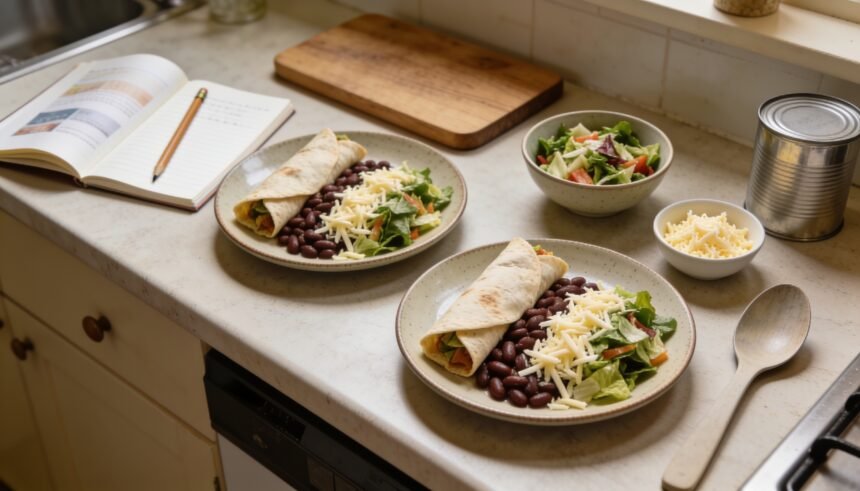
| Filled wraps with ready-to-eat ingredients | Any cutting, opening, draining and assembly | You want to avoid the stove | Everyone wants different fillings and assembly feels fiddly |
| Pasta with a familiar bought sauce | Pasta cooking, sauce instructions and accompaniments | You accept a saucepan and a known sequence | Watching the stove is the job you dislike |
| A familiar oven meal | Ingredient preparation, oven steps and tray cleaning | You prefer oven cooking to managing pans | The recipe needs extensive chopping or scrubbing |
| A packaged meal with chosen accompaniments | Preparation instructions, equipment and enough food for the diners | You want fewer recipe decisions | It does not suit preferences, the household budget or available equipment |
Buying a component changes which jobs you do yourself. Compare its cost with the alternative you would actually use, including the quantities needed. There is no need to assign a saving to the time involved or assume that every shortcut is affordable.
Build a short list from dinners you already accept
Choose three to five dinners you would willingly eat and prepare again. Start with known combinations rather than a search for exciting recipes. An ordinary sandwich or wrap dinner is an option if the household wants it; it does not need an elaborate name to belong on the plan.
Write complete entries. “Wraps” leaves several decisions unresolved. “Wraps with tinned beans, grated cheese, ready-to-eat salad and our usual dressing” tells the shopper what is required. Check quantities against the diners rather than treating that example as a serving guide.
Give available ingredients a place where they suit your effort limits. If you want more help choosing dinners from existing pantry supplies, use that guide before shopping. Do not force an unwanted cooking project into the week just because an ingredient is already in the cupboard.
Keep new recipes off the first plan unless you want to try one. A week of unfamiliar meals asks you to learn cooking steps as well as organise dinner.
Put the easiest dinner on the hardest evening
Mark late shifts, school sport, nights away and evenings when the kitchen is shared. Then assign dinners according to the work you can face on those dates. The plan should reflect who is actually available to prepare food.
Here is an illustrative week for someone who dislikes chopping and multi-pan cooking. It is a planning example, not a complete dietary menu or set of recipes.
| Evening | Proposed dinner | Job to confirm before shopping |
|---|---|---|
| Monday | Filled wraps from the short list | Buy enough of each filling; confirm whether any preparation is needed |
| Tuesday, late shift | A familiar packaged meal with chosen sides | Check preparation instructions and assign any side preparation |
| Wednesday | Pasta with familiar sauce and vegetables | Choose a known method that stays within the agreed equipment limit |
| Thursday, school sport | Repeat Monday’s wraps | Allocate a second set of ingredients rather than assuming Monday leaves enough |
| Friday | Dinner prepared by another household adult | Agree on the meal, shopper and person doing the washing up |
| Saturday | Planned takeaway, if affordable | Include it in the week’s spending plan and decide who orders or collects |
| Sunday | Repeat the familiar pasta meal | Count ingredients again and confirm who prepares it |
Change any row that does not fit. If you live alone, Friday needs your own acceptable option. If takeaway is outside the budget, replace it with a familiar dinner before writing the shopping list. Repeating a meal here means preparing it again from allocated supplies; this example does not depend on leftovers.
Make the shopping list match the effort you agreed to
Translate each dinner into ingredients and quantities, then check what you already have. Keep breakfasts, lunches and snacks visible so that dinner does not use supplies already promised elsewhere.
Be precise about the form of an ingredient. Whole vegetables and prepared vegetables can create different jobs. If the plan depends on avoiding chopping, record that requirement. When a chosen item is unavailable or costs more than you want to pay, swap the dinner or accept the extra work deliberately.
You can use a shopping list built from the meal plan for a reusable system. For this first week, a note with dinner names and missing ingredients is enough. Avoid buying several unfamiliar sauces for meals that have not earned a place on your short list.
Give the fallback its own ingredients and owner
Choose one dinner for an evening when the planned meal feels unmanageable. Name the food, the preparation method you already know and the supplies required. “Something from the cupboard” leaves the decision until you are least willing to make it.
The fallback must meet your hardest-night limits. If you hate washing pans, a second stove meal may be a poor choice. If assembly is what frustrates you, another set of separate fillings may not help. Keep its ingredients separate in the shopping calculation, or state exactly which planned dinner it replaces.
Where two adults share meals, agree on the full task: choosing, shopping, preparing and cleaning. Ask for a specific arrangement rather than assuming someone else will step in. A shared meal plan both adults can update gives you a place to record changes without leaving one person to explain every dinner.
Review the job that made you skip dinner
After the week, keep the meals you were willing to make again. Beside a skipped meal, record the actual obstacle: too much chopping, an awkward side, too many dishes, missing ingredients or nobody available to cook.
Change that part before expanding the menu. If a dinner worked, repetition is a reasonable choice. Once you have a few dependable options, putting a dinner rotation into use can help you carry them into later weeks.
Start by choosing three dinners now. Write the preparation, attention and cleaning each requires, then cross out any choice that includes a job you already know you will avoid.
The one-page family week
One printable page that holds the whole week: meals, school, activities and who is doing the pickup. Free, and we send one useful email a week.
One email a week. No spam, unsubscribe in a click.