What is in this guide
Most dogs do not object to water. They object to three specific things, and all three are fixable.
The surface. A dog standing on wet enamel or wet tiles is sliding. A sliding animal braces, panics and tries to get out, and the owner reads that as hating the bath.
The temperature. Water that feels pleasant to a human hand is often too warm for a dog. Lukewarm, close to body temperature, is the target.
The restraint. Being held in place while something is done to you is the part most dogs actually resist.
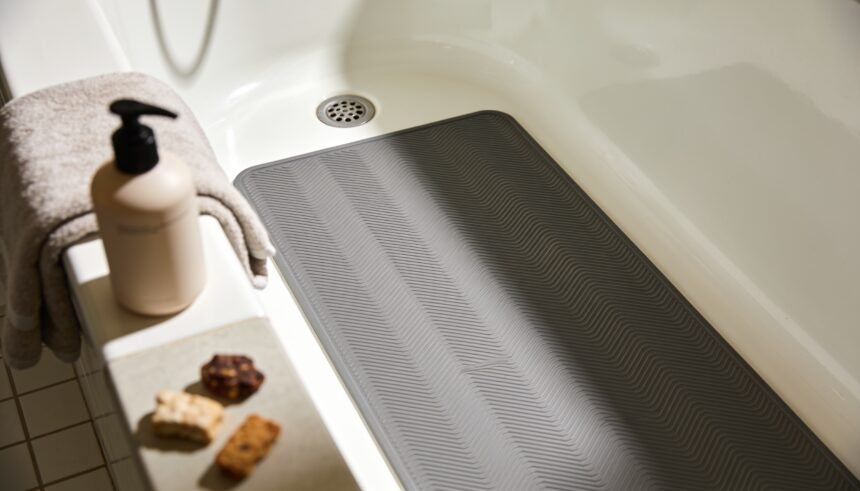
Fix the surface first. A rubber mat, a towel in the bottom of the tub, or a non-slip mat on the concrete. This single change transforms bath time for a large number of dogs and it costs almost nothing.
The method
Brush first, thoroughly. A matted or tangled coat gets worse when wet, and mats tighten. Never bath a badly matted dog, because water makes it considerably harder to resolve. Matting has its own approach in matting in long-coat breeds.
Get everything ready before the dog is in there. Shampoo open, towels within reach, treats on the bench. Leaving a wet dog to fetch something is how the bathroom gets redecorated.
Non-slip surface down.
Lukewarm water, tested on the inside of your wrist.
Wet from the neck back, not from the head. Water on the face is the most common trigger for a dog deciding this is unacceptable.
Wash the head last, with a damp cloth rather than a hose or jug. Avoid the eyes and do not pour water into the ears, which is both unpleasant and a genuine ear health issue.
Rinse for longer than you think. Residue left in the coat is a common cause of itching afterwards, and owners routinely under-rinse. Keep going until the water runs completely clear.
Towel first, thoroughly, then air dry or a dryer on a cool setting if the dog accepts it. A cold, wet dog in winter needs to be dried properly rather than left.
Feed generously throughout, not just at the end. A dog that is paid during the process learns the process is survivable.
Making it better over time
If your dog genuinely panics, rebuild it the way nail trimming without the drama rebuilds handling.
Feed the dog in the empty bath or on the wash mat for a week, dry, with nothing else happening.
Then a few centimetres of water. Treats, out again.
Then warm water on the paws only.
Then a short partial wash.
Marker training helps considerably here, as in clicker training in ten minutes a day.
Watch the body language and stop before the dog panics rather than after. Freezing, whale eye, lip licking and attempts to escape all mean go back a step, as covered in dog body language every family should recognise.
Where to do it
Outside is easier for most dogs and most bathrooms, and in Australia it is viable for a good part of the year.
Use lukewarm water outside too. A cold hose is unpleasant and in winter it is genuinely unkind.
Check your water restrictions. These vary by state, region and season, and a bucket-based wash complies with tighter restrictions than a running hose. Your water authority is the authority.
Warm days, not hot ones. Bathing a dog in the middle of a hot day adds heat stress risk to an already stressful activity. Early morning or late afternoon.
A laundry tub suits small dogs and saves your back.
Self-serve dog wash facilities exist at many Australian service stations and pet retailers, and they are worth knowing about for large dogs. Warm water, a raised bath, a dryer and no cleanup afterwards.
A professional groomer is a perfectly reasonable answer, particularly for a large dog, a long-coated dog or one that finds the whole thing distressing.
How often
Less often than most people assume.
Over-bathing strips the coat and can affect skin condition. How often a particular dog should be bathed depends on the breed, the coat, the skin and what the dog has been doing, and a vet or an experienced groomer is the right source for your dog.
Between baths: brushing does most of the work, a damp cloth handles a specific mess, and rinsing off sand or salt water after a beach trip is worth doing without a full wash.
Products, and the vet question
Use a shampoo formulated for dogs. Human shampoo has a different pH and is not appropriate.
No product is named in this article, because the right shampoo depends on the dog’s coat and skin and none has been verified here.
A medicated or prescribed shampoo is a veterinary matter and should be used exactly as directed.
See a vet rather than bathing more if the dog is itching, scratching, has red or inflamed skin, bald patches, scabs, an odour that returns quickly after washing, or is shaking its head or scratching its ears. A dog that smells persistently is frequently telling you about a skin or ear condition, and washing it repeatedly delays the diagnosis.
Ear cleaning is not part of a bath and should be done as your vet directs, with an appropriate product, if at all.
The realistic position
Some dogs will never enjoy it. The goal is a dog that tolerates it calmly, not one that likes it.
Shorter and more frequent beats long and rare while you are rebuilding.
If it is genuinely distressing for the dog and unpleasant for you, use a groomer. That is a legitimate decision, not a failure, and it is better for the dog than a monthly fight.
Next: nail trimming without the drama covers the other handling task, dog body language covers knowing when to stop, and clicker training in ten minutes a day covers the rebuild method.
The one-page family week
One printable page that holds the whole week: meals, school, activities and who is doing the pickup. Free, and we send one useful email a week.
One email a week. No spam, unsubscribe in a click.