What is in this guide
Three things matter more than anything you buy. Book a vet check within the first 48 hours. Find out what the breeder or rescue has been feeding and keep using it. And set up one calm sleeping area before the puppy walks in.
Microchipping is mandatory across all Australian states and territories, and registration is a separate council requirement. Get both in your diary before collection day rather than after.
Before collection day
- Book the first vet check for within 48 hours of bringing the puppy home
- Ask what food they have been eating and buy the same. Any change should happen gradually over roughly seven to ten days to avoid stomach upset
- Confirm the vaccination record. Australian puppy vaccinations are typically given in three rounds, around 6 to 8 weeks, 12 weeks and 16 weeks. Get the dates you have been given in writing
- Confirm the microchip number and change the registry details into your name. A chip registered to the previous owner does not get your puppy home
- Check your council’s registration requirements and the timing
- Puppy-proof one room rather than the whole house: cords, cleaning products, small objects, plants, gaps behind furniture
The gear that actually gets used
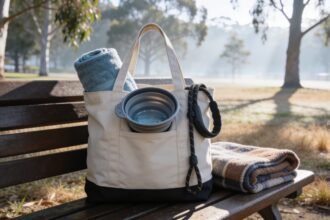
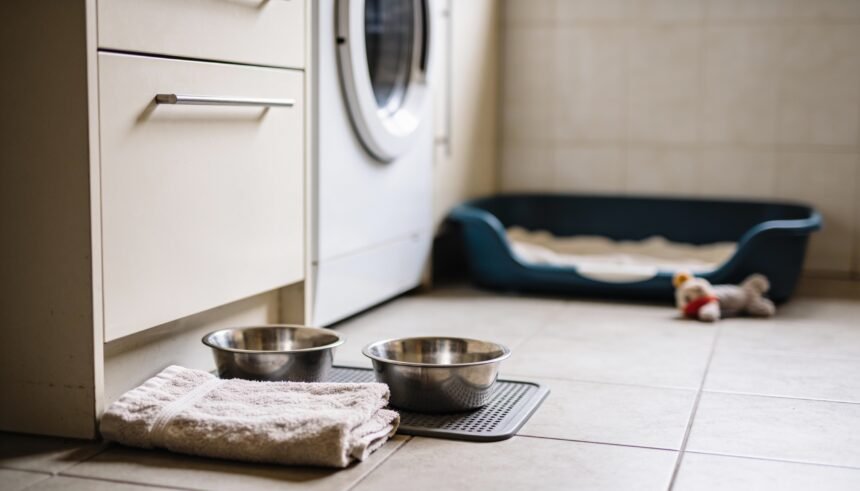
- Bowls. Stainless steel is easy to clean and does not harbour bacteria the way scratched plastic can. A non-slip base stops it travelling across the kitchen
- A bed in the sleeping area, plus something washable underneath. Whatever you buy will be chewed, so this is not the moment for the expensive one
- A crate or pen if that is your plan, sized so it is still useful as they grow
- A harness rather than a collar for walks. A puppy’s neck is still developing and a harness spreads the load. Choose an adjustable one, because they will outgrow it within months
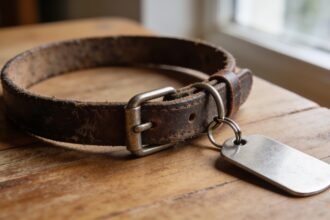
- Collar with an ID tag for the house and yard, separate from the walking harness
- Lead, plus a spare
- Poo bags, in quantity
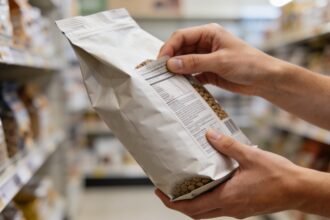
- Food, the same brand they are already on
- Toys, including something to chew. Two or three is enough to start
- Cleaning supplies, specifically an enzyme cleaner. Ordinary cleaner does not remove the scent markers that encourage repeat accidents in the same spot
- Old towels, more than you expect
What you can skip for now
- A second bed
- The full toy collection. They will show you what they like
- A raincoat, a fancy collar, anything decorative
- Training gadgets. Treats and consistency do more in the first month
- A large crate bought for their adult size with no divider
- Expensive anything, because the first three months are destructive
Set up before they arrive
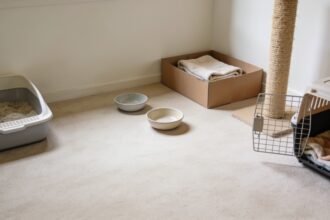
One calm sleeping area. Not three options. A puppy that can choose between four beds settles in none of them.
One feeding area, away from the walkway.
One clear toilet spot outside, and use the same one every time. Same spot, same phrase, big praise.
The consistency is what does the work here, not the equipment.
The first 48 hours
Expect a quiet, overwhelmed animal or a completely wild one. Both are normal.
- Keep it small. One or two rooms, not the run of the house
- No visitors yet. Everyone wants to meet the puppy. It can wait a few days
- Toilet breaks every one to two hours at first, and immediately after waking, eating and playing
- Expect night waking. Night-time toilet trips are normal until around 16 weeks
- Sleep is not a problem. Puppies sleep a great deal, commonly cited as 15 to 20 hours a day. A puppy that sleeps constantly is not unwell, it is a puppy
The first fortnight
Socialisation matters and it has a deadline. The critical socialisation window closes around 16 weeks. Exposure to different people, surfaces, sounds and situations during this period shapes how the adult dog handles the world. Talk to your vet about what is safe to do before vaccinations are complete, because that balance is a veterinary question rather than a blog one.
Toilet training is a routine, not a lesson. Out every one to two hours, same spot, same phrase, praise immediately.
Start the alone-time habit early. Short absences from day one, building up gradually, is far easier than fixing separation distress later.
What to ask the vet at the first visit
Take a list. You will forget otherwise.
- Confirm the vaccination schedule and the next date
- Parasite prevention: worming, flea and, on the east coast, paralysis tick prevention
- Desexing timing for this breed and size
- How much to feed, and when to change food and quantity
- What is safe to do for socialisation before vaccinations finish
- Whether the microchip details are correctly registered
Costs worth knowing in advance
The first year carries vaccinations, desexing, microchipping, registration, parasite prevention and the initial gear, on top of food. It is the most expensive year of ownership by a wide margin.
Next: reading an Australian pet food label helps with the food decision, ID tags and what Australian law requires covers the identification side properly, and road trips with a dog matters sooner than you would expect.
The one-page family week
One printable page that holds the whole week: meals, school, activities and who is doing the pickup. Free, and we send one useful email a week.
One email a week. No spam, unsubscribe in a click.