What is in this guide
The school’s own list is the authority. Where it names a specific exercise book, a particular shoe, or a book pack, buy that. This article covers what the list usually means in practice, and what each year level actually uses once term starts.
One rule before the lists: mark what you already own before you shop. Most households buy stationery they already have in a drawer.
Prep, kindergarten and reception
Names differ by state, the year is the same. At this age the gear is about independence, not equipment.
- Backpack the child can open and close alone
- Lunch box the child can open alone. Test it in the shop
- Drink bottle with a lid they can manage one-handed
- Wide-brimmed hat, almost always compulsory
- Spare underwear and a change of clothes in a bag
- Library bag
- Art smock or an old oversized shirt
- Labels for absolutely everything
Stationery is usually supplied or requested as a single class contribution at this level. Do not buy a big pencil case until the list asks for one.
Years 1 to 3
- The prep list, minus the spare clothes in most cases
- A pencil case with the basics: pencils, eraser, sharpener, glue stick, scissors, coloured pencils
- Exercise books to the school’s specification, which is usually exact
- Reading folder or home reader pouch
- Headphones if the school uses devices in class
Years 4 to 6
- Larger backpack, because the load genuinely increases
- Bigger lunch box and a larger bottle
- Fuller pencil case: pens appear, usually blue and red
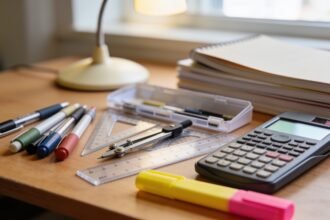
- Ruler, protractor and a basic calculator depending on the school
- Display folders or binders
- Headphones, increasingly standard
Year 7
The biggest jump on this list. Treat it as a fresh start rather than a top-up.
- Backpack built for a full subject load, not a primary bag
- Device if the school requires one. Get the minimum specification in writing before buying
- Subject-specific gear: calculator, geometry set, art supplies, cooking or textiles kit
- Lockable pencil case or a solid one, because things move between rooms
- Larger drink bottle
- Diary, if the school does not supply one
Years 8 to 10
- Replace rather than re-buy. Most of year 7 carries over
- Subject-specific additions as electives change
- Scientific calculator, usually a specified model
- Device replacement if the year 7 one is failing
Years 11 and 12
- Whatever the subject requirements specify, which is usually short
- A reliable device and a backup plan for when it fails
- Stationery becomes minimal and personal
The four things worth buying properly
Across every year level, four items are used every day and are the ones worth spending on.
School shoes. Worn five days a week for a year. Fit matters more than brand.
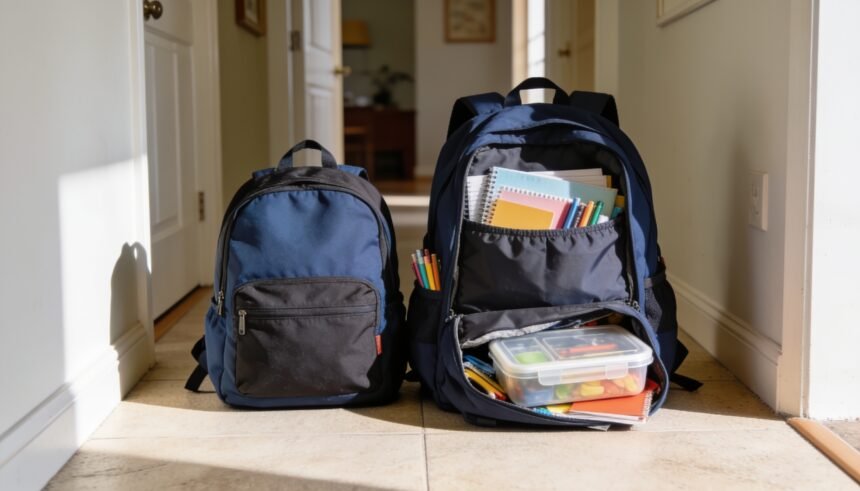
Backpack. Carried with a real load daily. A bag that fits the child properly beats a bag they liked the look of.
Drink bottle. The lid is what fails, not the bottle. Simpler mechanisms last longer.
Lunch box. Check it fits inside the bag before you buy it.
Everything else can be the cheap version and nobody will notice by March.
What to buy secondhand
Uniforms, sports gear, textbooks and calculators all have a healthy secondhand market in Australia, and most schools run a uniform shop or a swap group. Blazers and formal items in particular are worth buying used, since they are expensive and outgrown fast.
What not to buy yet
Anything not on the list. Schools frequently change requirements between years.
A full stationery pack when the school specifies particular items. You end up with both.
Four of anything. Buy one, confirm it works, then buy more if it survives.
Next: the back to school checklist puts this in a four-week sequence, stationery for high school subjects goes deeper on the year 7 jump, and BYOD device rules covers the laptop question properly.
The one-page family week
One printable page that holds the whole week: meals, school, activities and who is doing the pickup. Free, and we send one useful email a week.
One email a week. No spam, unsubscribe in a click.