What is in this guide
Year 7 needs less gear on day one than most families buy, and more preparation than most families do. Your child does not need a full subject kit in week one. They need a bag that carries a day’s load, a way to find their classrooms, and to know what happens at lunch.
Buy the essentials, wait on the subject-specific items until the teachers say what they want, and spend the saved time on the logistics.
Day one essentials
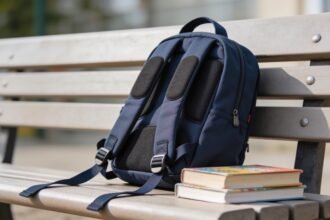
- A backpack built for a full subject load. A primary school bag will not carry books, a device and a laptop safely. This is the one item genuinely worth buying properly
- The device, if the school requires one, with its case. Get the minimum specification in writing from the school before buying
- Basic stationery: pens in blue, black and red, pencils, a ruler, an eraser, highlighters, a glue stick
- A diary or planner, if the school does not supply one
- A large drink bottle. High school days are longer and bubblers are further away
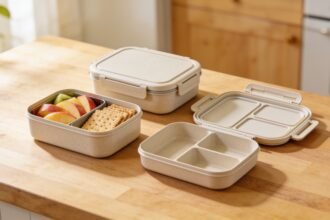
- Lunch, and enough of it. Appetites change sharply in year 7
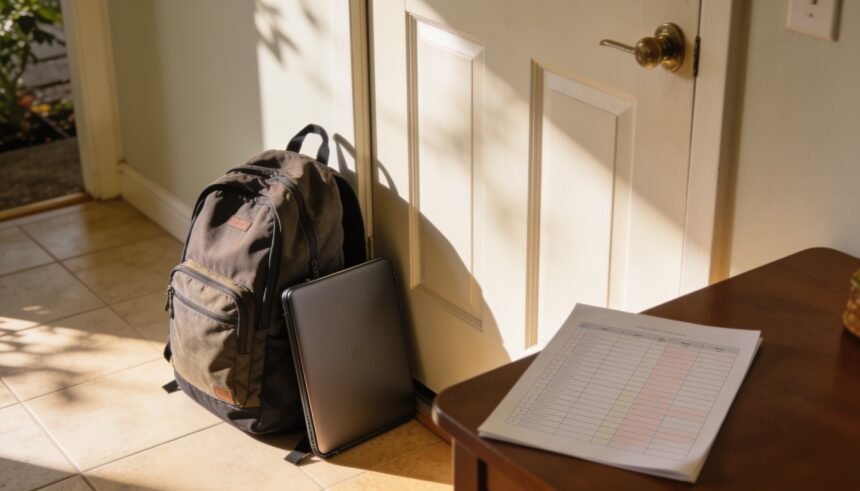
- The timetable, printed and also photographed on their phone if they have one
Wait until week three
- Subject-specific gear: calculators, geometry sets, art supplies, cooking or textiles kits. Teachers specify these in the first fortnight and the specifications are often exact
- Extra folders and binders once they know how each subject is organised
- Anything the school list marked as optional
- Sports gear beyond what is required for the first PE lesson
Buying these in January usually means buying twice.
The logistics matter more than the stationery
This is what your child is actually worried about, and it is what most preparation misses.
Walk or drive the route before day one, including where the drop-off point is and where they go if they arrive early.
Find the toilets, the canteen and the office on the orientation day and remember them. Not knowing where the toilets are is a genuinely stressful thing to manage alone on day one.
Work out the timetable together. Which room, which building, what happens between classes. Most Australian high schools move students between rooms and that alone is a big change from primary.
Sort the locker. Whether they get one, what size, whether they need a lock, and whether the lock needs to be a specific type.
Agree the lunch plan. Canteen or packed, and if canteen, how payment works. Many Australian school canteens are cashless and need an account set up in advance.
Agree the contact plan. How you will hear from each other, what happens if something goes wrong, and where they wait if plans change.
What actually helps in week one
Lower expectations of conversation. “How was it” gets “fine”. Asking about one specific thing works better.
Expect exhaustion. A longer day, a bigger campus and constant new information is genuinely tiring for a few weeks.
Do not solve everything immediately. Most week-one problems, including the friendship ones, resolve without intervention by week four.
Keep the routine boring. Consistent bedtime, consistent morning, consistent afternoon. Novelty is already at capacity.
The cost side
Year 7 is usually the most expensive school year in a child’s life: a new uniform, a new bag, a device, subject levies and fees, often all in January.
If that is difficult, speak to the school before it lands. Payment plans, device loan and hire schemes, second-hand uniform shops and hardship arrangements exist at most schools and are rarely advertised on the list you receive.
Next: BYOD device rules covers what to ask before buying a laptop, the real cost of a school device covers the budget, the back to school checklist covers the run-up, and the year-by-year list covers the rest.
The one-page family week
One printable page that holds the whole week: meals, school, activities and who is doing the pickup. Free, and we send one useful email a week.
One email a week. No spam, unsubscribe in a click.