What is in this guide
This article is hosting guidance, not medical guidance. It does not tell you what is safe for a particular child, because nobody can do that except that child’s parents and their doctor. What it covers is how to ask the right questions, how to set a table so nothing gets shared by accident, and which decisions are never the host’s to make.
If you are hosting a child with a food allergy, the single most important thing in this article is this: ask the parents, do exactly what they say, and do not substitute your own judgement for theirs. Everything else is detail.
Start with the conversation, not the menu
Most hosts start by searching for recipes. Start by talking to the parents instead, because the answers change the menu completely and there is no way to guess them.
Ask these, in a message rather than in passing at pickup:
- What is your child allergic to, and is there anything else they avoid?
- What do you normally do at parties? Most allergy families have a routine that works, and following it is easier and safer than inventing one.
- Would you prefer to bring their food? Many parents prefer this and it is not an insult to your hosting.
- Is contact with the allergen a risk, or only eating it?
- Are you comfortable with them eating food I have prepared, if I tell you exactly what is in it?
- Will you be staying, or is there anything I need to know about their plan if you are not?
That last one matters. If a child has a medical action plan and medication, it comes with them and the parents will tell you what happens. A host does not administer anything or decide anything clinical. If you are unclear about any of it, the answer is to ask the parents to stay or to ask them to explain it again, not to improvise.
Why the answers vary so much
Two children with the same stated allergy can need completely different handling, which is why generic lists are not enough.
Australian food labelling law requires specified allergens to be declared on packaged food, which is why reading the label is useful. But a label tells you what is in a product. It does not tell you what a particular child reacts to, at what exposure, or what their family’s threshold for risk is. Only the parents can tell you that, and they will have thought about it a great deal more than you have.
The table is where hosting actually happens
Assuming the parents are comfortable with food you provide, layout does more for safety than any recipe.
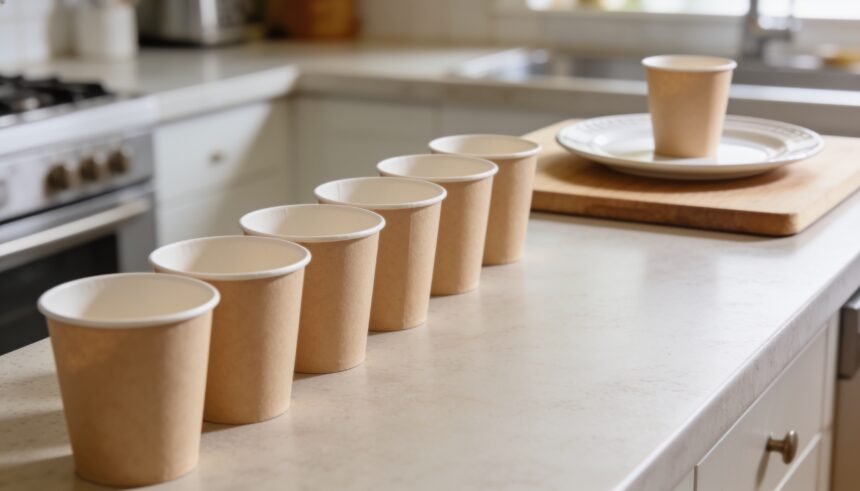
Serve individually rather than communally. A shared bowl is where cross-contamination happens, because thirty children put their hands in it. Individual plates, cups or paper bags per child eliminate most of the risk in one decision.
Physically separate the allergic child’s food. A different table, a different end of the bench, or a clearly marked plate set aside before anything else is put out. Not next to the allergen, and ideally not on the same surface.
Prepare their food first, on clean surfaces, with clean hands and clean utensils. Before anything containing the allergen is out of the cupboard. Order matters more than scrubbing.
Label what you can. Not with a full ingredient analysis, which you are not qualified to certify, but with what a thing is: “cheese sandwiches”, “plain popcorn”. Parents can make their own assessment from an honest description far faster than from a guess about safety.
Keep packaging. If a parent wants to check a product, the packet in the bin is the answer. Keep the wrappers until the party is over.
Wash hands and faces after eating. Particularly for younger children, and particularly before games where everyone touches the same things. This is standard practice in Australian childcare and it is standard because it works.
What to do about the cake
The cake is the hardest single item, because it is communal, it is the centrepiece and everybody eats it.
Three options, in order of how commonly they work:
1. Ask the parents to provide a cupcake or slice for their child. Almost every allergy family is set up for this and most will offer before you ask. The child gets candles, a cake moment, and something they can eat.
2. Make the whole cake free of the allergen, if it is manageable and the parents are comfortable with it. This is generous and works well for a single, straightforward exclusion, but it is only safe if the parents have agreed to it after being told exactly what you used.
3. Have two cakes. Cut the allergy-safe one first with a clean knife.
What not to do is make a cake you believe is safe and serve it without saying what is in it. Tell the parents exactly what went in, including brands, and let them decide.
The mistake hosts most often make
Being reassuring instead of being accurate.
“It should be fine” and “I think that one’s okay” are the two most dangerous sentences at a children’s party. A parent needs to know what is actually in something so they can make the call. Saying “I’m not sure, here’s the packet” is more useful, more honest and safer than a confident guess.
The related mistake is treating a stated allergy as a preference to be worked around. Follow the instruction you are given, even if it seems more cautious than you would be. It is not your risk to calibrate.
Party bags and prizes
Easy to forget and a common failure point.
Party bags are food risks. If the bags contain lollies or chocolate, either check with the parents or make the allergic child’s bag non-food. The non-food party bag options work well here and solve the problem without singling anyone out.
Prizes in games are the same. Chocolate prizes in pass the parcel are a classic trap.
Craft materials can contain allergens too, including some play doughs, food-based crafts and some art supplies. Worth a mention to the parents if you are planning any.
If something goes wrong
If a child shows signs of a reaction, follow their action plan if they have one and call 000 if you are in any doubt. Do not wait to see if it settles, do not consult the internet, and do not make a judgement about severity. Australian emergency guidance is clear that severe allergic reactions are a medical emergency.
A host’s job is to notice quickly, act on the plan, and call for help. Nothing more complicated than that.
Getting the balance right
None of this needs to dominate the party. Most of the work is a five minute conversation two weeks out and fifteen minutes of thought about the table.
And the aim is a child who eats, plays and is not made to feel like a problem. Individual serves, separate preparation, honest labelling and a parent-approved cake plan achieve that without anybody at the party noticing that anything was managed at all.
Next: birthday party ideas by age covers the format, and birthday parties at home for under $100 covers the rest of the food.
The one-page family week
One printable page that holds the whole week: meals, school, activities and who is doing the pickup. Free, and we send one useful email a week.
One email a week. No spam, unsubscribe in a click.